Post by Kirstynn Joseph, Untamed Science on behalf of Replenish
Composting is an incredible thing that you can do for yourself, your garden, and the planet, and with a bit of advice and a small investment, it can be really easy too! Though there is of course a whole lot of compost science going on in the background, you don’t have to know exactly how each process works in order to make a good compost heap. That being said, it can be fun to look into the physical and biological components of your compost heap, especially when you take a deep dive into the community of critters that live there!
Image by Manfred Antranias Zimmer from Pixabay
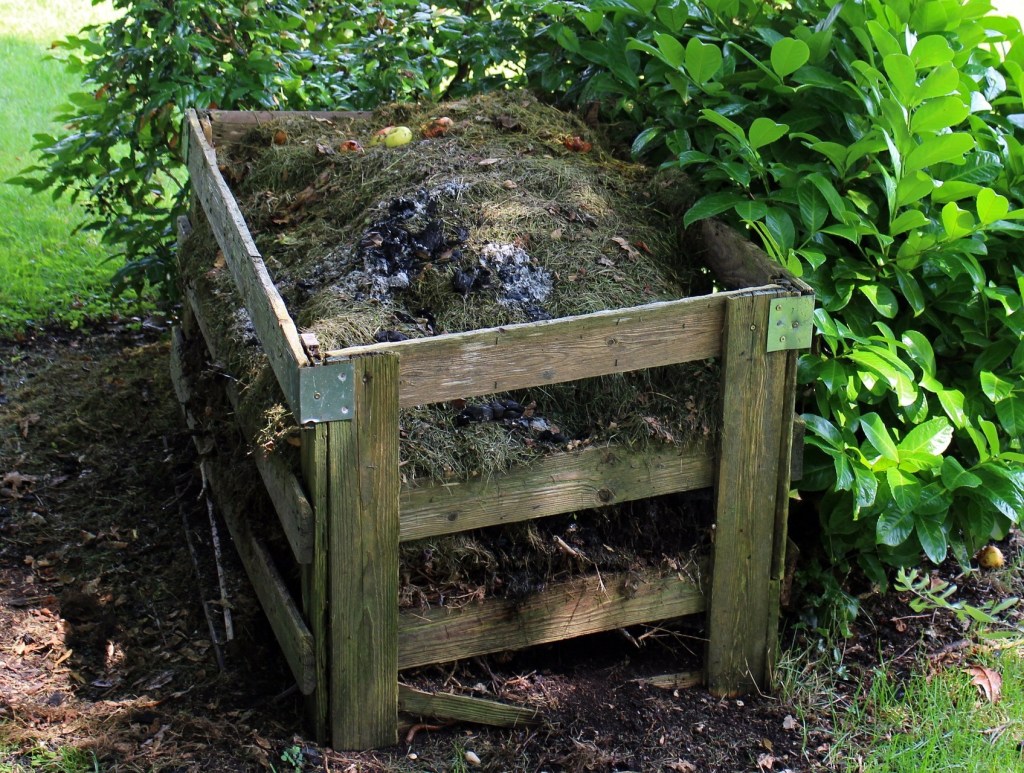
A compost heap is a gold mine of nutrients for detritivorous critters – meaning things that eat and break down organic material – and really, it is a win-win. We provide them with a steady flow of organic material, and in turn we get nutrient-rich compost to add back into our gardens. So, you might ask “what is living in my compost?” Well, here is a brief look into your compost ecosystem!
A Mini Ecosystem
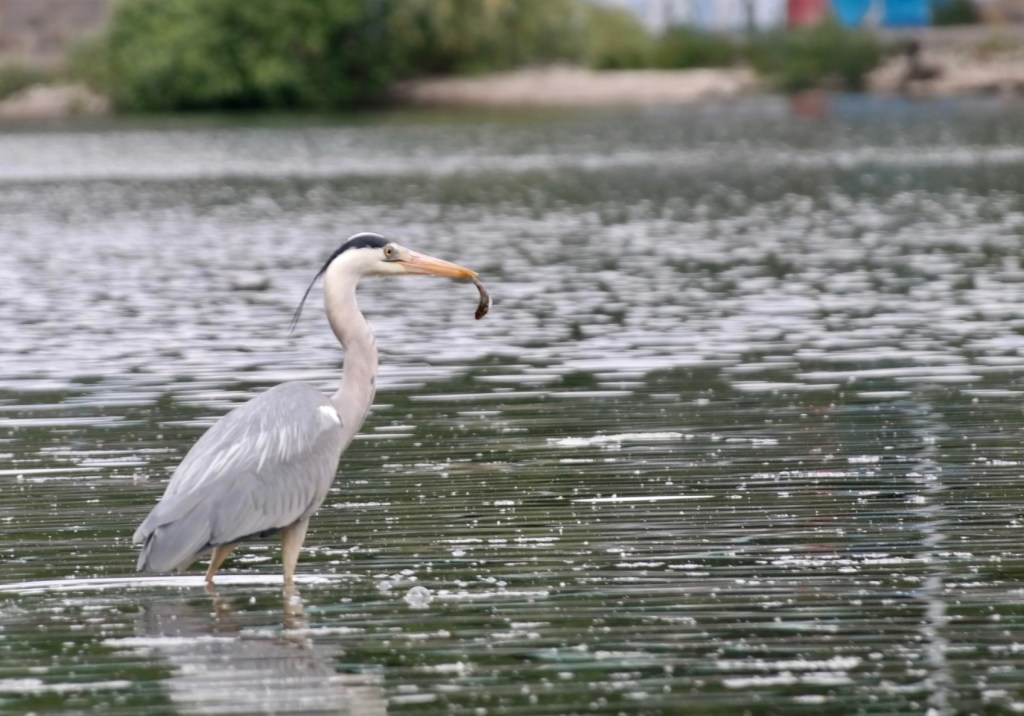
When most of us think about “ecosystems” and “food chains” we think about something like a rolling field with a lake, where fish eat bugs and birds eat the fish; rabbits eat the grass and foxes eat the rabbits; and so on, but what we don’t always think about is that smaller “ecosystems” exist too. In fact, there are entire mini worlds to be found in mere square meters of space, just like the one found in your compost heap!
Microbes, including fungi and bacteria, as well as invertebrates like tiny beetles, woodlice, and worms feed on organic matter, while other invertebrates like spiders, ants, and pseudoscorpions feed on them. When you have a good compost heap, there are a bunch of little critters turning your organic material into soil and others hunting them. These little organisms are living, eating, reproducing, and dying here, and it is all connected in order to make for a good ecosystem, and ultimately nutrient-rich compost. The cool thing is, each organism has its place, because some are better at breaking down certain material than others, and the community will actually even change a bit as your compost composition and temperature changes throughout time. Let’s look at just a few examples of some of the fascinating things that live there.
Microbes
“Microbes” just refers to microscopic individuals that we can’t see with our eyes. This can include bacteria, viruses, fungi, protozoa, and more. There are both what we would consider “beneficial” and “harmful” microbes in our compost. Unfortunately, compost can sometimes contain bacteria and viruses that can make you sick. However, if you use gloves and/or wash your hands after handling compost, there is really nothing to worry about! Additionally, a good compost heap with a balanced ecosystem will tend to have very few of these harmful microbes.
More than anything, compost is full of “good” microbes. Beneficial bacteria and fungi help to break down materials and serve as prey for the omnivorous and carnivorous invertebrates. An example of a beneficial bacteria found in compost is Actinomycetes, which is a bacteria that kind of acts more like a fungi, and forms long weblike colonies. They are really important for breaking down the harder to digest cellulose from plants! Another example is a group of bacteria called Firmicutes1, which is found in our guts too! These bacteria not only help break down organic material but also promote plant growth!
Invertebrates
Many people aren’t a huge fan of insects and other invertebrates, but if you take a chance to get to know them a bit better, you may find them interesting – even if only at a distance. Without invertebrates your compost can and will break down, but they will make the process go much more quickly. There are many interesting invertebrates to highlight. For example, springtails – magnificent tiny omnivorous (or fungivorous depending on the type) invertebrates that come in a huge variety of shapes and sizes, and are known for their ability to use a tail-like appendage to “spring” away from threats.
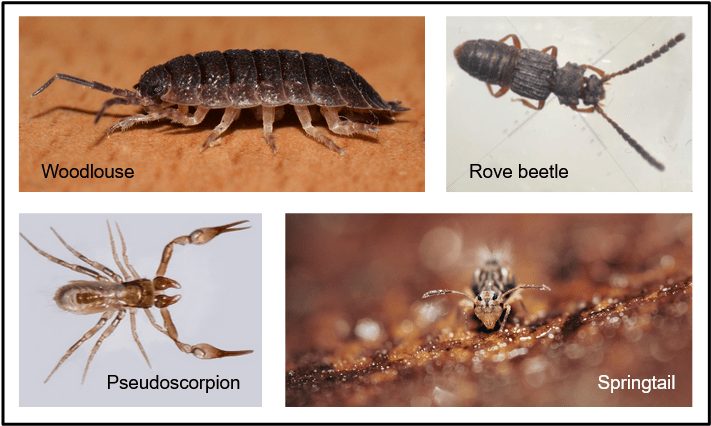
Another common find are woodlice (isopods) – watch the video to see them on the move. They break down organich matter much like worms do. Omnivorous beetles, such as rove beetles, (family Staphylinidae) eat both decomposing materials and other living things in the compost heap. If you look closely you might spot a very cool tiny predator called a pseudoscorpion; it’s like a mini scorpion without a tail! These invertebrates are harmless to us, and help keep our compost ecosystem in balance.
Sometimes rodents and other mammals might show up at your compost bin, though rarely with a proper set up. If you are concerned, there are strategies to avoid rats in compost that can lower the chances of them showing up.
Bigger or Smaller Compost Heap, Similar Ecosystems
The cool thing about this is, though the community may change over time, the scale of composting doesn’t change the science or the community behind the work. So, whether on small scales, like the compost in your garden, or larger scales, like a city compost, the community of critters ends up looking pretty similar.
If you have ever been curious about how zoos go about composting all of that animal waste, you can check out this video.
Conclusion
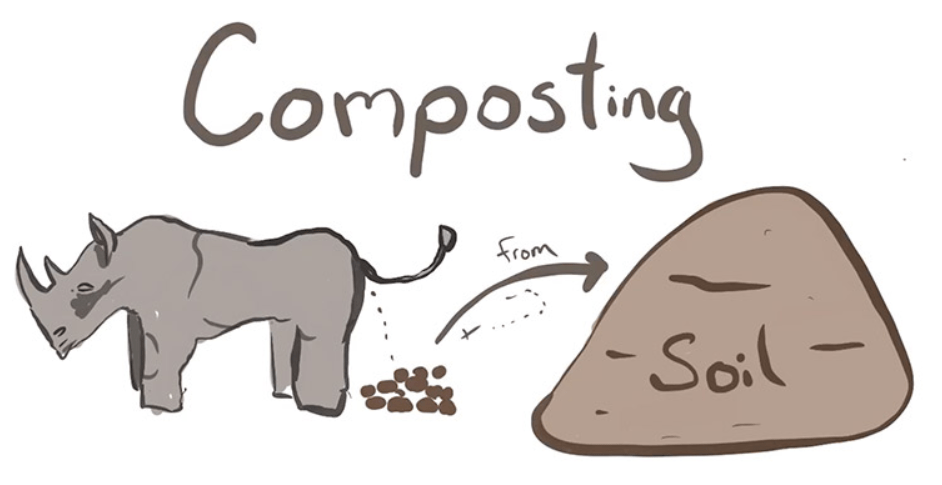
All in all, there are many ways to compost and getting the basics right isn’t too difficult, but the tiny world that unfolds during the process is complex and amazing! From tiny fungi to pseudoscorpions and everything in between, your compost heap holds an entire miniature world that is helping you, to help the planet.
Sources
Want more tips on healthy, sustainable food,
composting and growing your own?
Follow us on social media or sign up to our newsletter.
 Replenish