Winter is the ideal time to plant trees, while they are dormant, so why not add to your edible harvests by planting a nut or fruit tree. There are lots of specialist nurseries that can help you decide on the best tree for your garden. For tips on how to plant your tree, check out this step-by-step guide from Harvest @ Home.
Nut trees
Are you familiar with the proverb: ‘the best time to plant a tree was 20 years ago; the second best time is today’? Well that is especially true of nut trees as they can take a few years to produce nuts.
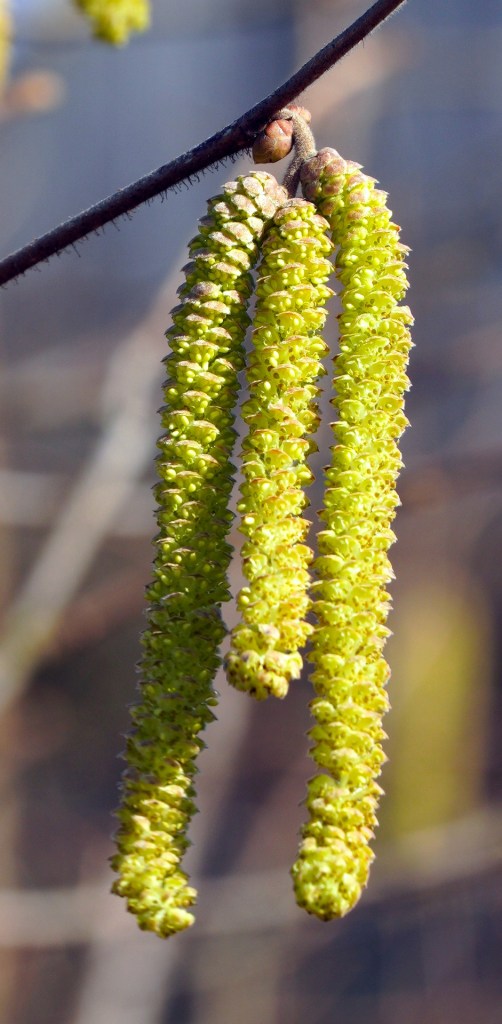
Hazel trees are a good choice for smaller gardens. You can grow them as a bush, rather than a tree, and prune them so they don’t get too big. Ever heard of cobnuts? These are also part of the Corylus or hazel family, along with common hazel and filberts.
Hazels are wind pollinated; the attractive yellow catkins appear in early spring and contain the pollen, which fertilises the tiny flowers. You will need at least two plants for them to be pollinated. Why not include them in a native hedgerow with other plants like hawthorn, crab apple and dog rose? Hedgerows provide food and shelter for garden wildlife. If you plant different hazel varieties, make sure they flower at the same time to ensure pollination.
Image by Matthias Böckel from Pixabay
If you are looking for something more unusual, try Corylus maxima ‘Purpurea’, with its glorious purple leaves. Hazels grow well in an open position in full sun or light shade. They don’t need particularly fertile soil and cope well with wet and cold conditions. Plants will produce nuts after around 5 years; harvest them when the husks turn yellow in autumn. Spread them out on trays to dry in a warm spot then enjoy them raw, or roast them for a sweeter flavour.
Walnuts are a good option for larger gardens. Our neighbour has a huge tree and the previous owners of our house pickled the nuts like in this recipe from the Vegetarian Society. We eat a few of the ripe nuts, but leave plenty for the squirrels. They always miss a few, so the next year we dig up and pass walnut saplings onto our friends.
Walnuts thrive in fertile, well-drained soil in full sun. ‘Buccaneer’, is a smaller (8-12m) self fertile variety, so you only need one tree, but it is best for pickling. ‘Europa’ grows to only 3m; the nuts will be produced after just 3 years and can be eaten raw. Walnuts release chemicals into the soil to stop other plants growing. This is called allelopathy and should be considered when you are deciding where to plant them. You can solve this problem by planting one of the small varieties in a large pot!

And finally, you could plant a sweet chestnut tree (not to be confused with the horse chestnut). Like walnuts, they prefer fertile, well-drained soil in full sun. ‘Regal’ is a self fertile, smaller variety that will grow to 5m after 10 years and produce nuts within 2-3 years. Harvest the nuts in October when they fall to the ground and the spiny shells split open. They can be eaten raw, roasted or pickled like walnuts.
Fruit trees
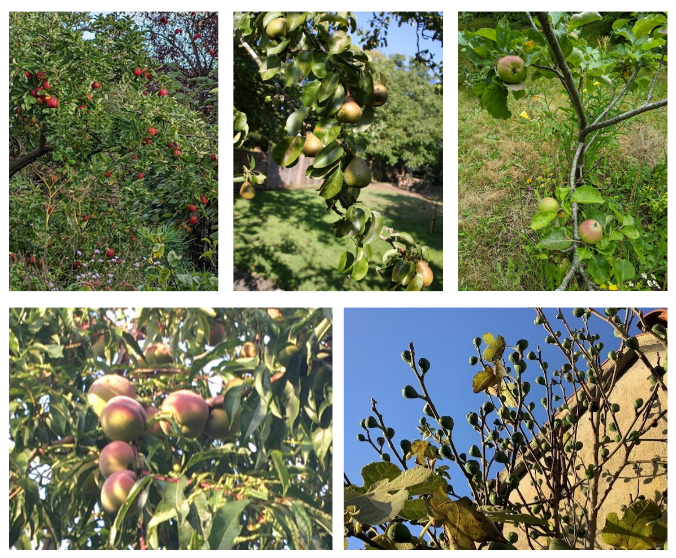
When it comes to garden fruit trees, there are almost too many to choose from. Apples, pears, plums and cherries are popular and grow well in the UK. With the changing climate, peaches, apricots, figs and even olives are becoming easier to grow in the UK. Peaches and apricots are best grown in sunny, sheltered spots like against a south facing wall. Figs like ‘brown turkey’ are hardy and grow well outdoors. Although we associate olives with a warm mediterranean climate, they actually need two months of cold weather (below 10°C) to trigger fruit growth.
Below images: Gala apple (top left), Conference pear (top centre), Bramley apple (top right), Peche de Vigne peach (bottom left), fig (bottom right).
For something a little different, you could plant a mulberry or quince tree. Many of these trees will produce beautiful blossoms for you to enjoy. Of course they also hugely benefit the bees, butterflies and other pollinating insects. Just think of the number of flowers on a tree compared with a small plant or shrub.
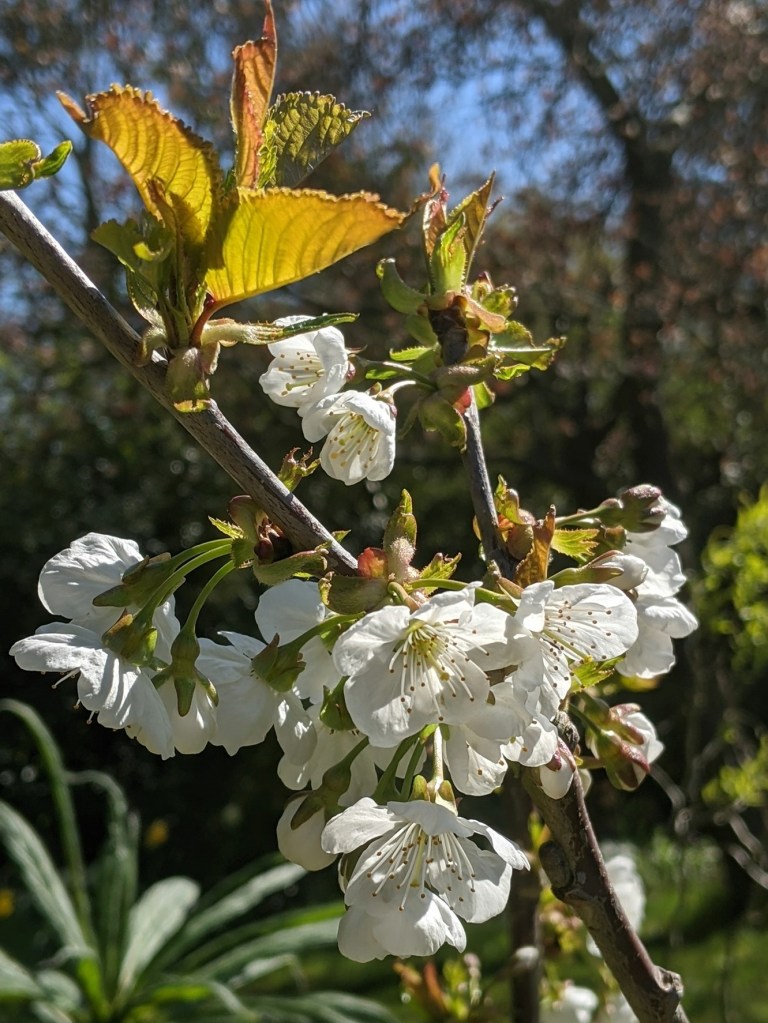

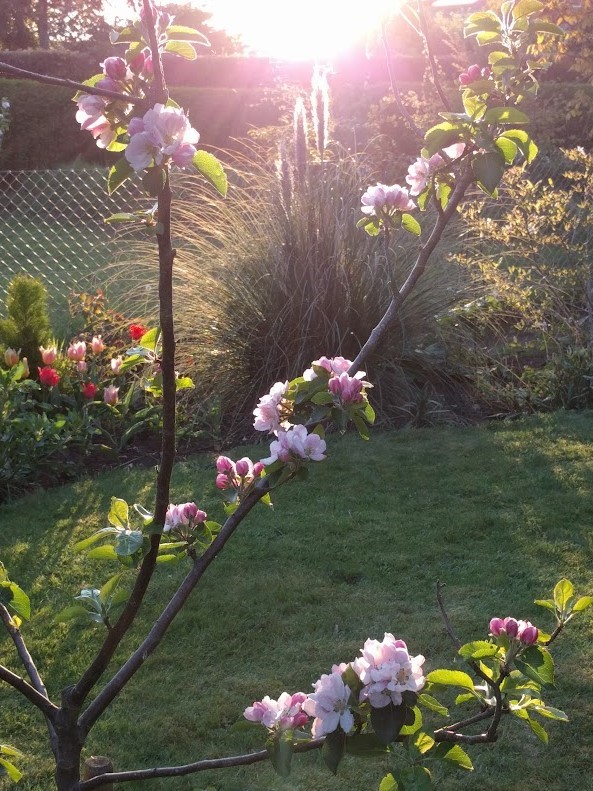
Images by Jo Milton; Stella cherry (left), Unknown plum (centre), Bramley apple (right)
Growing trees in a small space
You can grow a fruit tree even in the smallest of gardens; you just need to choose the right one. Many fruit trees are grafted or joined onto a specific root system, or ‘rootstock’, which controls the size of the tree. Rootstocks are usually named with letters and numbers and it’s not always obvious which are which. Check this Gardener’s World guide or ask at your nursery. Make sure the graft point, a bulge on the trunk, is above the ground when you plant your tree. Remember, if you only have room for one fruit tree, it needs to be self fertile, so that you get fruit.
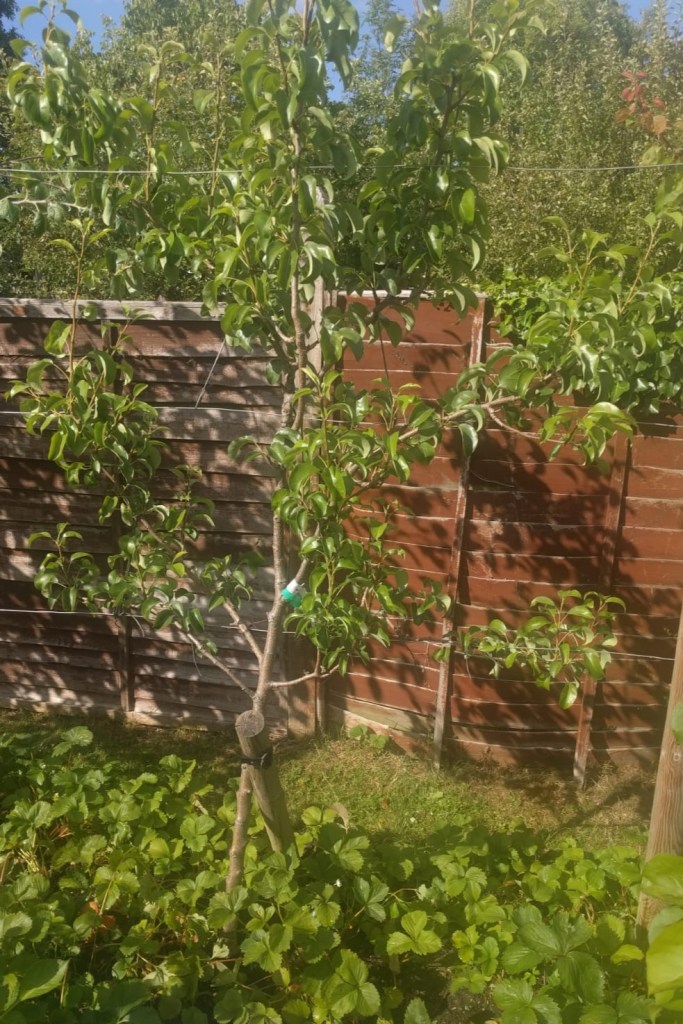
You could try growing a fruit tree as a fan or espalier against a south facing wall or fence. A fan has multiple branches trained to spread out from one point at the bottom of the trunk. An espalier has branches along the trunk that are trained and pruned to grow horizontally along wires.
Both take up less space and cast less shade over the rest of the garden. Stepover fruit trees are espaliers with only one level of horizontal branches. They are very low to the ground and can be planted at the front of borders, maximising space.
Espalier pear image by Virginia Williamson
Alternatively, you can buy dwarf patio varieties of many different fruit trees, which can be grown in large pots.
Harvest time
Once your tree is established, you can look forward to the joys of harvesting and eating your own fruits or nuts for years to come. You might even need a fruit picker – we made one with a cut up plastic bottle attached to a long pole, but you could borrow one from the Share Oxford Library of Things.
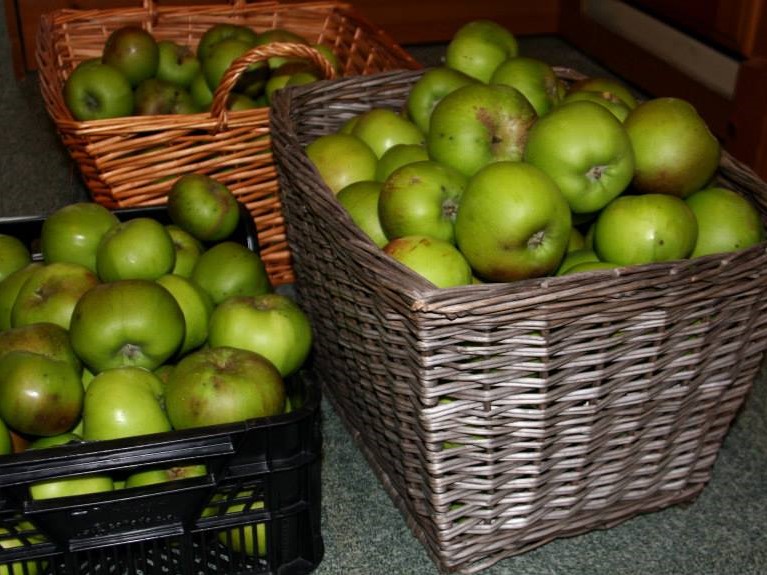
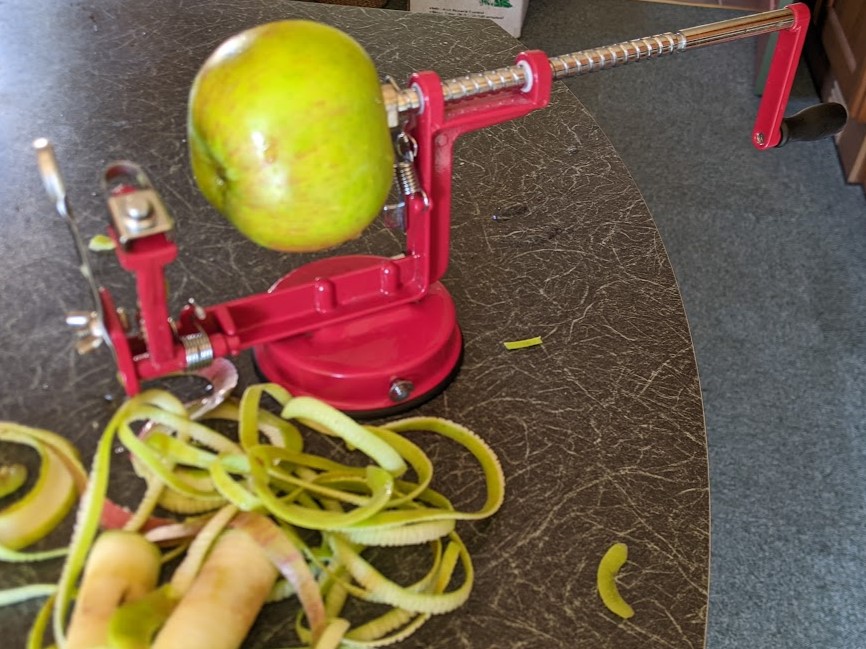
Below is a bumper haul from our cooking apples. I’d recommend investing in one of the gadgets pictured – it peels, cores and slices the apples! Most of our fruit gets turned into jam, crumbles and cakes, apart from the pears which I love eating raw. Try making this easy plum jam from BBC Good Food or this rustic Italian apple cake from Italian Food Forever.

If you have fruit or nut trees, but you aren’t able to harvest them or use all of the produce yourself, there are organisations who are happy to help and make sure the surplus isn’t wasted. Abundance Oxford and Cherwell Collective offer these services locally, so do get in touch with them at harvest time next year.
With thanks to friends from Greening Jericho and Oxford Garden Group for sharing their pictures with me.
Resources
- Fan-trained trees: initial training / RHS Gardening
- Apples and pears: starting an espalier / RHS Gardening
- Apples and pears: stepover training and pruning / RHS Gardening
- Guide to Fruit Tree Rootstocks | BBC Gardeners World Magazine
Want more tips? Check out our other grow-your-own guides
 Replenish