As gardeners, we know that healthy soil means healthy plants. Adding plenty of organic matter is the best way to feed your soil and ensure it is full of life. The organic material can be compost, manure, leafmould, or even green manures.
If that sounds like hard work, don’t worry you don’t need to dig the material into the ground. It’s much better to avoid disturbing the soil and practice a ‘no-dig’ system instead.
Even with the healthiest soil, some plants may need an extra feed, especially if you are growing in containers. You might have seen liquid feeds in shops labelled with specific amounts of N, P and K – these are the symbols for the elements nitrogen, phosphorus and potassium, which are essential for plant health.
Many of these feeds are made from chemicals and not suitable for organic gardening. They can also be expensive, so why not have a go at making your own at virtually no cost?
Image by Matthias Böckel from Pixabay

All of the liquid feeds described below should be diluted with water. Rain water is ideal and free. If you have to use tap water, leave it in an uncovered bucket for 24 hours to allow the chlorine to evaporate.
Comfrey feed
Russian comfrey (Symphytum x uplandicum) is a perennial plant in the borage family. It has very deep tap roots growing to as long as 3 metres! This means it is able to access nutrients far below the soils surface and store them in its leaves. It is especially high in ‘potash’, another term for potassium. Make sure you plant it in a permanent position, as once it’s established you won’t be able to dig it out.

To make a comfrey feed tear up comfrey leaves and add them to water in a bucket or plastic container with a lid. Use roughly 15 litres of water to each kilogram of comfrey leaves¹. The lid is essential as the mixture will get incredibly smelly as the leaves breakdown.
After four weeks, strain and dilute the ‘comfrey tea’ with water (1 part comfrey to 2 parts water) and water your plants with it once per week. Be careful not to spill the mixture on clothes or shoes as it really does stink!
Nettle feed
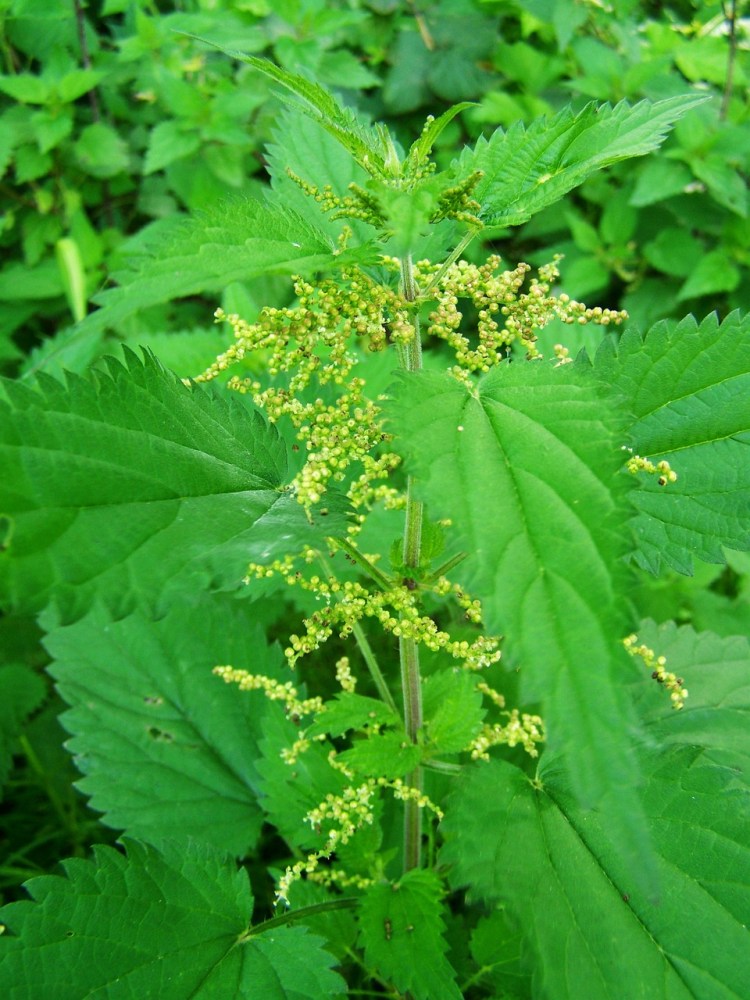
Stinging nettles (Urtica dioica) make a general purpose nitrogen and potassium-rich liquid feed. The nutrient concentrations will be at their highest in spring – the best time to make your feed.
Add 1 kilogram of nettle leaves to 10 litres of water¹, wearing thick gloves to avoid being stung. If necessary, you can weigh the leaves down with a rock. Leave the mixture to ‘brew’ with the lid on (nettles also smell) for 2 weeks. Strain and and dliute 1 part to 10 parts water before use. You can store the concentrated liquid in a sealed bottle or jar for around 6 months, so it is worth making a large batch at the start of each season.
Image by Anna Armbrust from Pixabay
Worm bin liquid
Funnily enough, the one feed that’s made from poo smells the least! As well as worm castings or poo, worm bins also produce a liquid called ‘leachate’, Dilute this with water (1 part leachate to at least 10 parts water) before use. You can easily make your own worm bin with two or more plastic buckets or containers with lids. Worms don’t like all foods that you might usually compost – alliums and citrus are too acidic for them. Read our blog post for more tips on looking after your worms.

Using the feeds
Feed your plants around once per week in the peak growing season. If the soil is dry, water the plants before adding the feed to ensure maximum nutrient absorption. I prefer to water the soil rather than the leaves as this can encourage diseases, like blight in tomatoes. To reach the roots, you could pour the feed into an upturned plant pot buried next to the plant, as is also suggested for watering. This lets you monitor how much you are giving each plant. Comfrey and nettle feeds are slightly alkaline, so avoid using them on acid-loving plants like blueberries. The comfrey and nettle feed residue can be added to the compost.
Not just plant food

Both comfrey and nettle plants are beneficial to wildlife and promoting biodiversity in your garden, which in turn helps to control pests. Comfrey flowers over a long period from May to July and is loved by bumblebees, especially species with long tongues that can reach into the bell-shaped flowers for pollen and nectar.
Nettles are the food plant for the caterpillars of red admiral, small tortoiseshill, painted lady and comma butterflies. Of course we can also eat them – try this nettle focaccia with spring nettles, or enjoy a more fragrant cup of nettle tea. It is definitely worth growing comfrey and nettle plants in your garden if you have space.
Sources
- Pears and Stickland (2007) The RHS Enclyclopedia of Practical Gardening: Organic Gardening, Bounty Books. London
Want more tips? Check out our guide to home composting
 Replenish