In October I attended a special event at Marston Forest Garden; part of the Community Action Group Marston Community Gardening. Antony and Isobel introduced the enthusiastic attendees to the fascinating concept of forest gardens. I was immediately absorbed in a whole new world of remarkable and edible plants from onion trees and heartnuts to pignuts and loquats.

In the UK, the idea of forest gardens dates back to the 1970’s when Robert Hart became interested in the relationships between plants in natural systems like woodlands. Starting with a small orchard of apple and pear trees, Robert created an edible ecosystem by underplanting the existing mature trees with shrubs, perennials and ground cover layers. Visitors to Robert’s garden wrote this inspiring piece entitled ‘The garden of love‘ – it beautifully describes the garden as ‘green and lush’ and ‘dripping with fruit’ – doesn’t that evoke a wonderful image.
The seven layers
Forest gardens typically include seven layers of different types of plants to make efficient use of the space available, including vertically, and to maximise harvests.
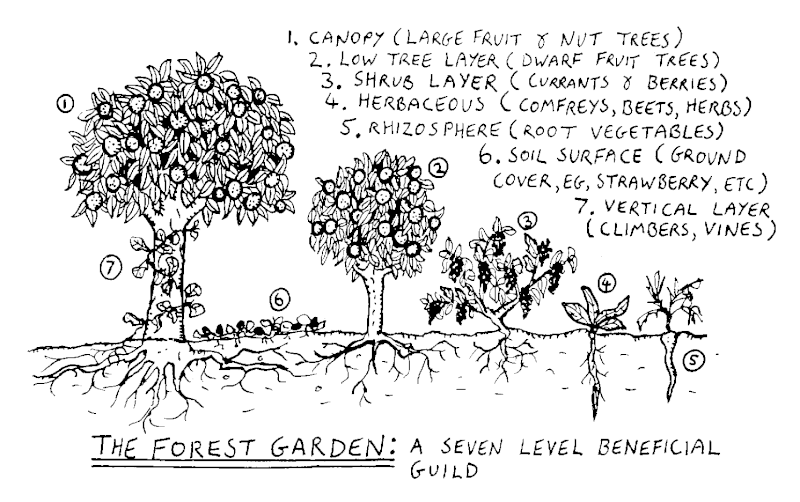
Canopy and low tree layers
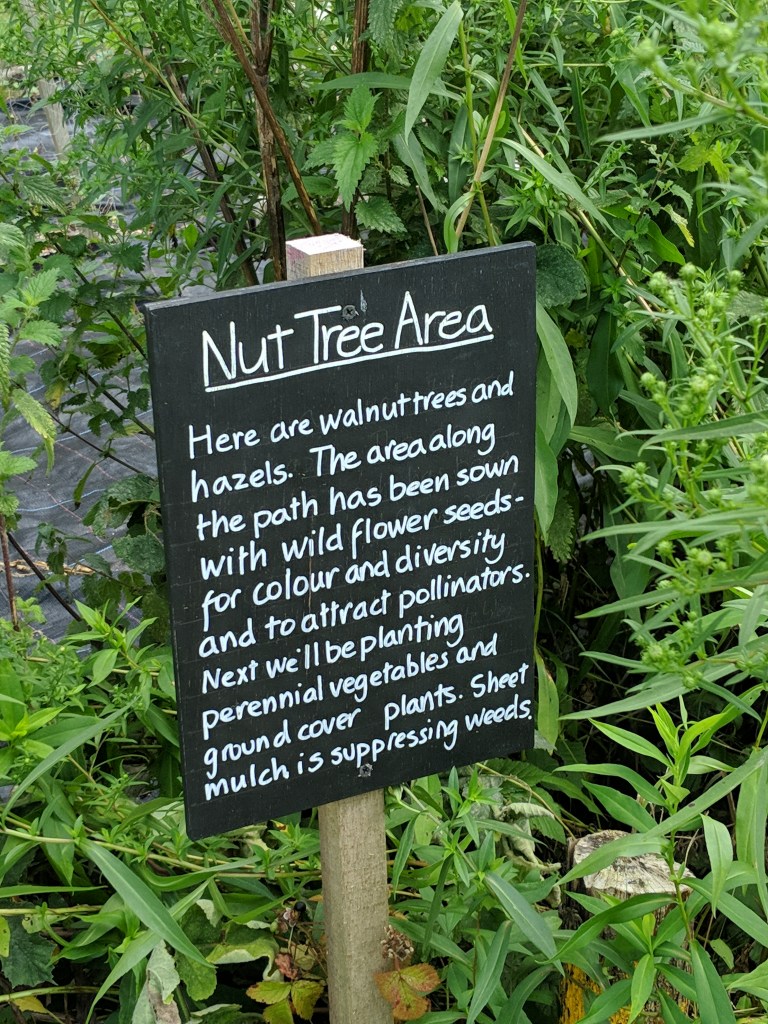
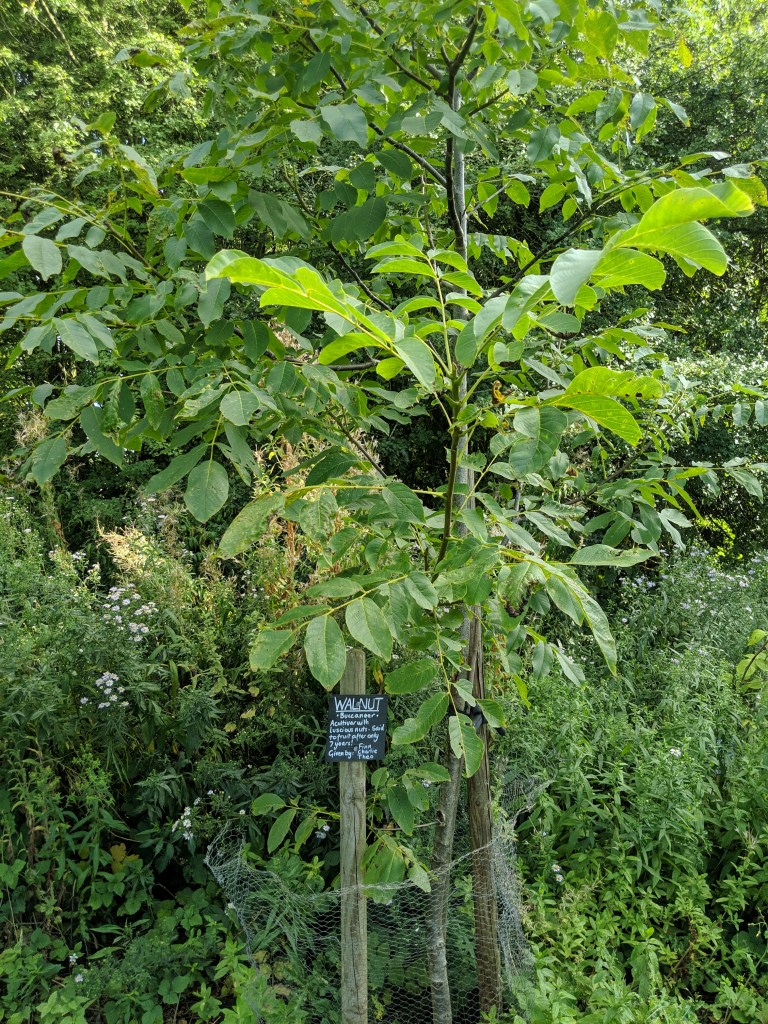
The top two levels are made up of trees – both large and dwarf stock if space allows. Of course, the ideal scenario is if you already have one or more fruit or nut trees on your plot, or can invest in some mature specimens. If not, then it is worth planting young trees as your first step, so that you can reap the rewards of the canopy layer as soon as possible.
The almond tree at Marston Forest Garden produced seven almonds in its fifth year. Serendipitously, that was one each for those present on the day of the harvest. On the plus side, you can grow some more sun-loving plants whilst your trees mature. For inspiration on which to choose for the UK climate, read our blog post.

Shrub layer
There are a multitude of currants (black, white, red and gooseberries) suitable for a UK climate, including some more unusual hybrids. I’ve recently added a jostaberry to my patch; a cross between blackcurrant and gooseberry. There are now many thornless currant and berry varieties, although that might also make it easier for the birds to get their share. To maximise fruit production, currants usually require some pruning – read how in our guide or leave them to become a little unruly.
Autumn fruiting raspberries are a great option to grow in clumps; as a woodland plant they will thrive in semi-shade. Cut stems down to ground level in winter and new canes will grow and fruit the next year. I also have a chokeberry, which does well in wetter ground and makes good jam. Gojiberries are increasingly popular, producing a plentiful supply of red berries to enjoy raw, cooked or dried.

At Marston Forest Garden, two Szechuan peppers form part of the shrub layer. This extremely hardy deciduous shrub has red fruits; the outer husks of which are used as a peppery and fragrant spice. The aromatic leaves can also add a spicy, citrusy flavour to cooking.
In late spring to early summer they produce clusters of cream flowers. When autumn arrives, the red fruits ripen to reveal shiny black seeds (as pictured). They grow well in dappled shade, don’t need pruning and the leaves turn a stunning vivid yellow in autumn. The thorns are really the only downside of this interesting plant.
Herbaceous layer
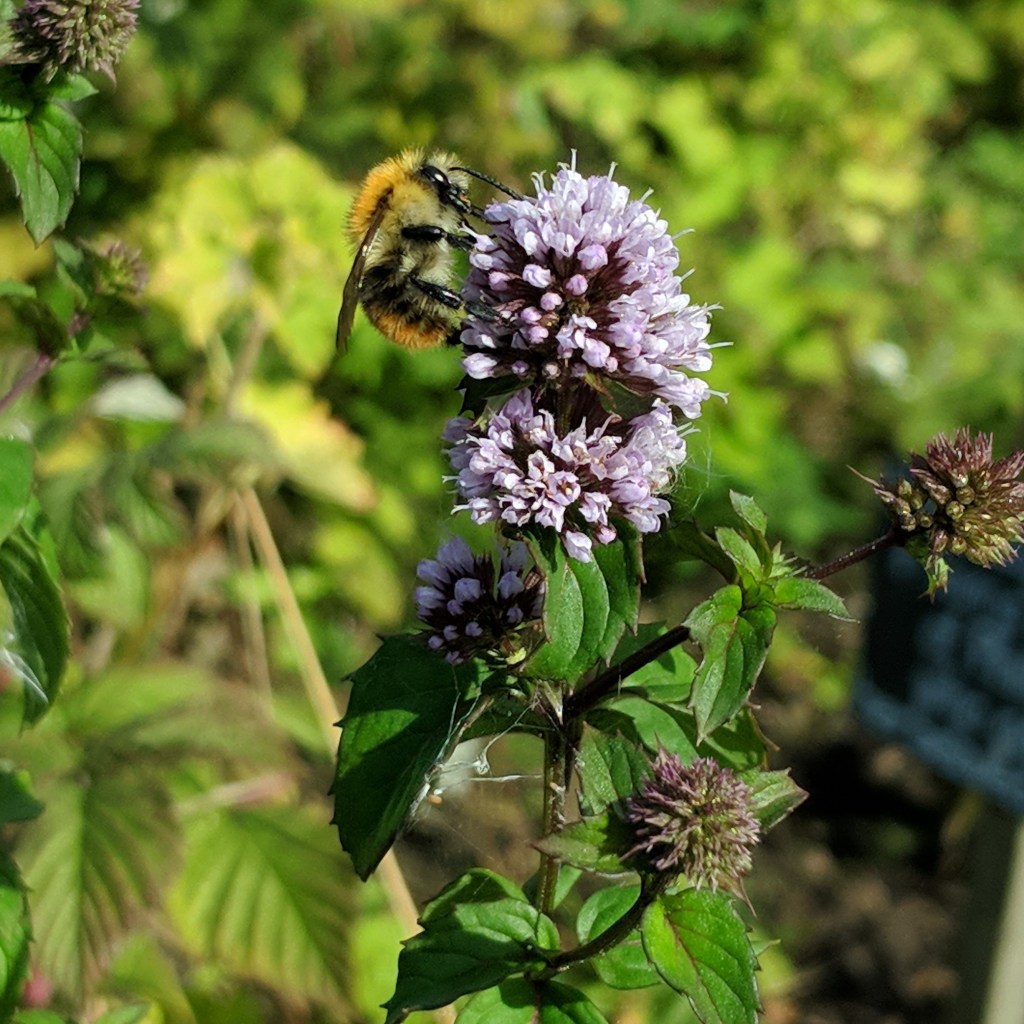
This layer is full of perennial herbs to stimulate the senses, some of which overlap with the shrub and ground cover layers. Of a near infinite list, some examples are mint (of all flavours), lemon balm, lovage, sorrel, fennel, hyssop, marjorum and tansy. If you do have a sunnier spot, with well drained soil, the mediterranean classics sage, rosemary, thyme and lavender will thrive. Valerian is an interesting herb; the root of which has a soperific effect and can be used as a tea to aid sleep. Rhubarb is one of the most frequently grown perennial vegetables and is more shade tolerant than you might expect. Grow early and late varieties to extend the harvest season.
Edible flowers combine with the variety of perennial leafy greens to add vibrant splashes of colour to summer salads. Bellflowers, chives (and many other alliums), nasturtium, violet, dandelion, salsify and mallow flowers can all be eaten raw.
Day lilies (Hemerocallis) are another delicious flower to try after cooking – fry or steam the fresh flower buds. They are tough, somewhat ‘thuggish’, plants that will spread over time into a large clump. As a woodland edge native, they cope well with the shade of a forest garden.

Rhizosphere or underground layer
The rhizosphere includes root vegetables, as well as perennial onion (welsh and egyptian) and leek (Babington) varieties, fungi and mycorrhiza. Root vegetables typically grown on allotment and garden plots are biennial, but there are a number of useful perennial species. I have tried Jerusulem artichoke, horseradish and more recently scorzonera, which also has edible leaves and flowers. Some of these plants have long tap roots which help to break up compacted soil and draw nutrients and water from deeper ground.
Until this visit, I was unaware that you could grow your own peanuts in the UK. Confusingly, the groundnut is not a nut at all, rather a member of the pea and bean family. They aren’t fully hardy and so may not survive winter in cooler regions of the UK, but wouldn’t it be amazing to grow your own peanuts. I’m definitely sold!
Ground cover
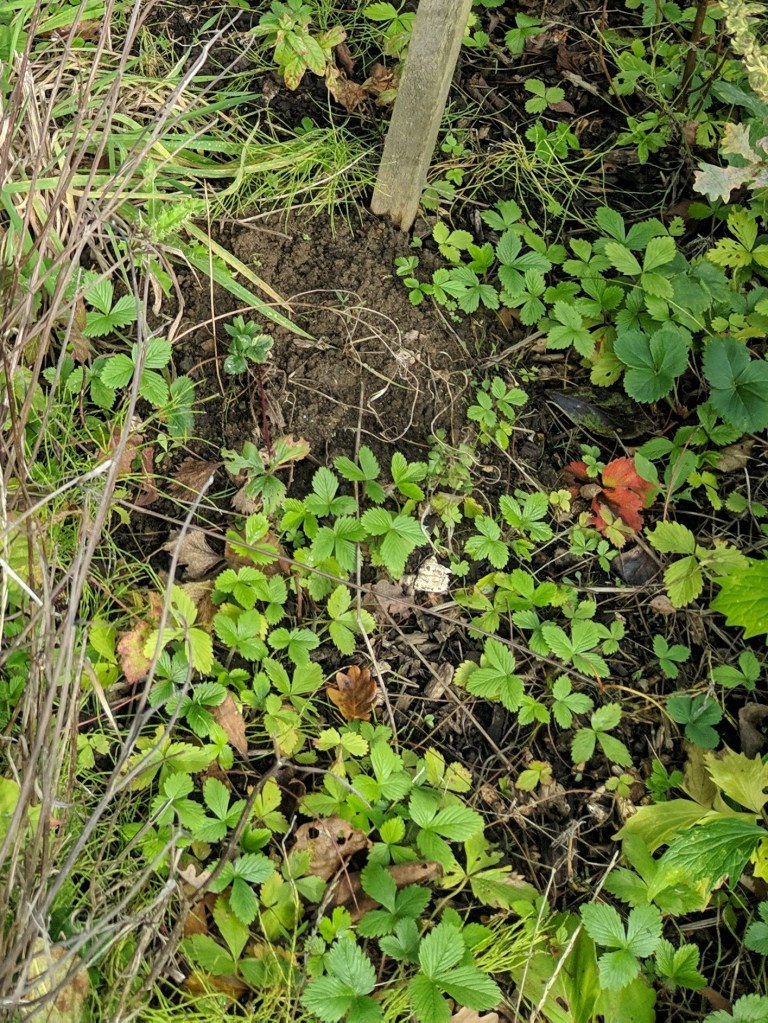
One of the aims of forest gardening is to ensure that no bare soil is exposed. This helps to prevent flooding and soil erosion, as well as hopefully reducing the number of plants in the wrong place (previously known as weeds).
In my own garden, I tend to let herbs like mint and lemon balm spread. I prefer to have masses of them, that I can control by picking, rather than less appetising thugs like couch grass. No forest garden would be without alpine and regular strawberries. They can be left to ‘run’ and root where they can find a smattering of bare soil.
Vertical layer
Utilising the vertical aspect of any garden with naturally climbing plants and vines helps enormously with efforts to be self-sufficient.
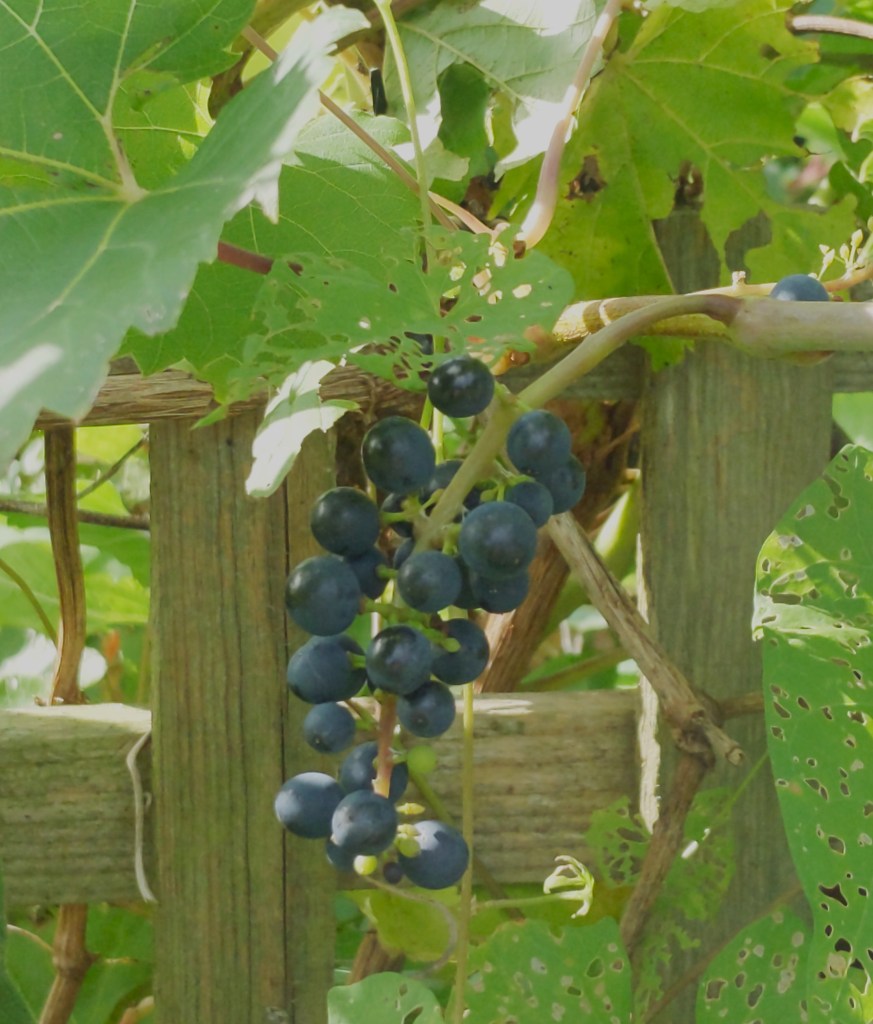
Grape vines, brambles and hops are some of the more common possibilities, but there are many others. I have recently been gifted a loganberry, a hybrid of blackberry and raspberry. The fruits are dark red and juicy – perfect for a summer pudding. Honeyberry is another edible climber I was introduced to in Marston. The fruits look like elongated blueberries, are similar in taste, and full of antioxidants.
Wander and observe
With thanks to all of the land stewards at Marston Forest Garden who care for this serene and enchanting edible landscape. Connections with people and nature are nurtured for current and future generations.
To echo Robert Hart’s sentiments, the garden is transformed by love.
If you would like to visit or volunteer at the garden, pop along on the second Sunday of the month and immerse yourself in the wonderous world of forest gardens.
Resources

What is a forest garden? | Permaculture Association
The Garden of Love an article on Robert Hart’s garden by Ken Fern of Plants for a Future.
For more tips on avoiding food waste or growing your own food follow us on social media or sign up to our newsletter
 Replenish
