Last month I was excited to watch Chef Ollie Bragg give a cookery demonstration for London Vegans, mastering the magic of Umami – also known as the fifth taste. Ollie helps dispel the common myth that plant-based food is bland; covering Umami, seasoning techniques and layering flavours.

Ollie is a roaming chef for V for Life, a UK charity providing information and advice to older (age 50 plus) vegetarians and vegans. Their website is full of mouth watering recipes, including ‘easy recipes for one’ and ‘cooking on a budget’. They also produce guides, for example vegan baking for that perfect sponge cake and gourmet cooking to elevate your meals and presentation to the next level.
Ollie kindly allowed me to turn his talk into this blog, including some direct quotes. To see Ollie in action creating a wonderful mushroom based dish do watch the video of his demonstration.
What are the five tastes?
The five tastes are bitter, savoury (or Umami), sweet, salty and sour as shown clockwise in the image. Taste buds are present all over your tongue in tiny bumps called papillae, as well as as on the roof of your mouth and in your throat. They all detect the five different tastes, but some areas of the tongue are particularly sensitive to specific tastes. For example, the back of tongue is more sensitive to bitter flavours. This is likely an evolutionary safety mechanism to prevent us from swallowing poisonous substances that often taste bitter.
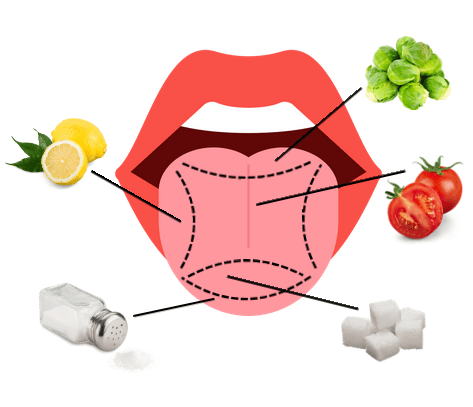
So what is Umami?
Umami is a unique savoury taste, often described as ‘meaty’ or ‘brothy’, but there are a number of plant-based sources. The Japanese word Umami (pronouced oo·maa·mee) roughly translates as ‘pleasant savoury taste’ or ‘deliciousness’ and is now recognised as a key component in providing a depth and richness to food.
“As we get older we appreciate savoury Umami tastes more, compared to when we are younger and tend to prefer sweeter tastes”
Umami describes the taste of the amino acid glutamate and the ribonucleotides 5′-inosinate and 5′-guanylate. Therefore, foods naturally high in nucleotides and/or glutamate have a strong Umami taste, as does monosodium glutamate or MSG, often added to processed foods as a flavour enhancer.
Which foods provide the Umami taste?
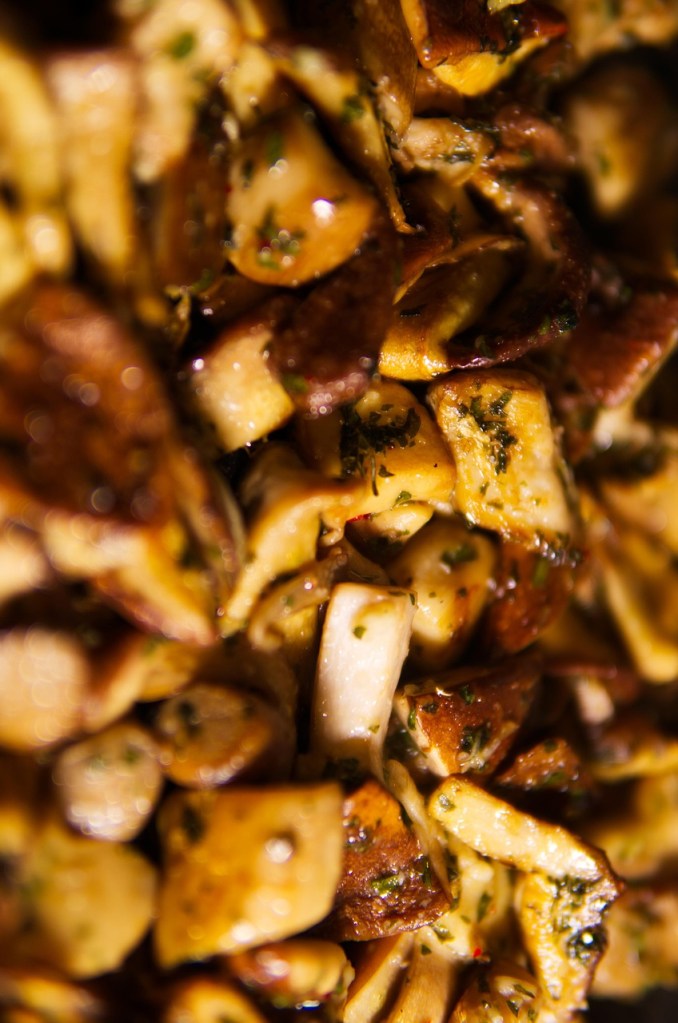
Protein rich meat and fish products naturally have a rich Umami taste. This can be intensified further by processes like smoking or fermenting, which break down the large protein molecules into glutamates. The same is true for fermented soya bean products like miso, soy sauce, tempeh and gochujang (used in kimchi).
Other plant foods with a strong Umami taste include ripe or sun dried tomatoes, spinach, celery and mushrooms. Although not all mushrooms are equal – with Shiitake and Porcini packing more of a Umami punch, especially if dried. Nutritional yeast and yeast extracts like Marmite or Vegemite also provide this savoury taste. A teaspoon of Marmite is a secret ingredient in many of my meals, adding a depth of flavour to veggie bolognese or chilli. It is high in salt though, so either adjust or miss out the salt altogether.
I’m a huge fan of seaweed. It’s high in glutamates and is a nutritional powerhouse, containing many micronutrients in a concentrated form. It’s a great flavour enhancer in stocks and helps create a ‘fishy’ flavour.
Even better together
Try combining foods rich in glutamate or nucleotides to boost the Umami taste. Ollie offered some good examples:
- mushrooms and soy sauce
- tomato paste and nutritional yeast
- Kombu seaweed and Shitake stock, known as Dashi – a Japanese classic
Balance is the secret to memorable meals
Great seasoning can transform a dish; the key is to understand the balance between salt, acidity, sweetness and spice.
Salt enhances flavours and balances bitterness. Adding it early in the cooking process, particularly for vegetables and grains, allows time for the salt to be absorbed into the food.
Acidity adds freshness and contrast, cutting through rich or heavy flavours. Sources include citrus fruits, vinegars and the addition of pickles or ferments like kimchi or sauerkraut.

“Taste your food as you cook. At the end, a pinch of salt, squeeze of lemon or dash of vinegar can make all the difference.”
Adding a little sweetness can balance salt, sour or bitter tastes. Natural sweeteners include maple or date syrup, or even sweet vegetables like carrot and beetroot.
Spices add more than just heat, offering complex flavours and aromas. Use cumin for earthy nuttiness, turmeric for a touch of bitterness and coriander for floral-citrus hints. Toast whole spices first to release the oils and concentrate the flavour.
Steps to create the perfect dish
“Think about building flavours like composing music. Each step adds a note and together they create a beautiful harmony.”
Start with your aromatics – onion (or shallot or leeks), celery, carrot, garlic or ginger – as the foundation of many dishes. Saute the onion on a medium heat to release sugars and sulphur compounds, letting them caramalise for a depth of flavour. Then add garlic and/or ginger as they cook more quickly.
Use a liquid to ‘deglaze’ the pan – vinegar, vegetable stock, wine or even water are good options. Toast whole spices unlocking the essential oils and flavours, stirring frequently for 30 to 60 seconds. Add chilli flakes or smoked paprika for some heat.
Deepen your flavour base with Umami ingredients – miso paste, soy sauce, tomato paste or dried mushrooms. Add some acidity and colour at the end with citrus and fresh herbs.

Extra tips: use a high quality oil, like olive if possible. Press or chop garlic 10 minutes before cooking to allow the beneficial compound allicin to form.
“Each layer, from the base of aromatics, middle notes of Umami and high notes of citrus or finishing oils, supports the next. The result is a wonderfully balanced dish.”
I learnt so much from Ollie’s talk and will be checking off each of the five tastes in my mind as I concoct my next ‘flexipe’. What’s your go to Umami ingredient? I’ll be reaching for the seaweed more often now. Do share your tips and recipes with us in the comments or on our socials.
London Vegans is a long-running social groups for vegans and those interested in plant-based diets. They host monthly online meetings with guest speakers, as well as regular walks in London. Check their event diary or subscribe to their mailing list or Meetup Group to keep in touch.
For more tips on avoiding food waste or growing your own food follow us on social media or sign up to our newsletter
 Replenish