Climate change is one of many reasons why water is an increasingly precious resource. As we experience hotter and drier summers in the UK, we all need to play our part in reducing our water usage. We share ten tips to help you collect and use water wisely in the garden.
1. Collect rain water

Why use your household water supply in the garden when you can collect rain water? It’s free and better for your plants, especially any acid loving ones, like blueberries, rhododendrons and camellias
All you need to do to capture rain water is attach a water butt to one or more of your down pipes on your house, shed, or even your greenhouse. They come in a range of shapes and sizes to suit any space – take a look at getcomposting.com.
Alternatively, you can repurpose an old water tank (pictured), barrel, cattle trough or even a bath. Bunkers Hill Garden Shop in Oxfordshire sell 220 litre barrels with lids that can easily be fitted with a tap. Whatever you choose, just make sure to keep it covered, or add an escape ramp (pictured) in case any animals fall in.
2. Be an early bird
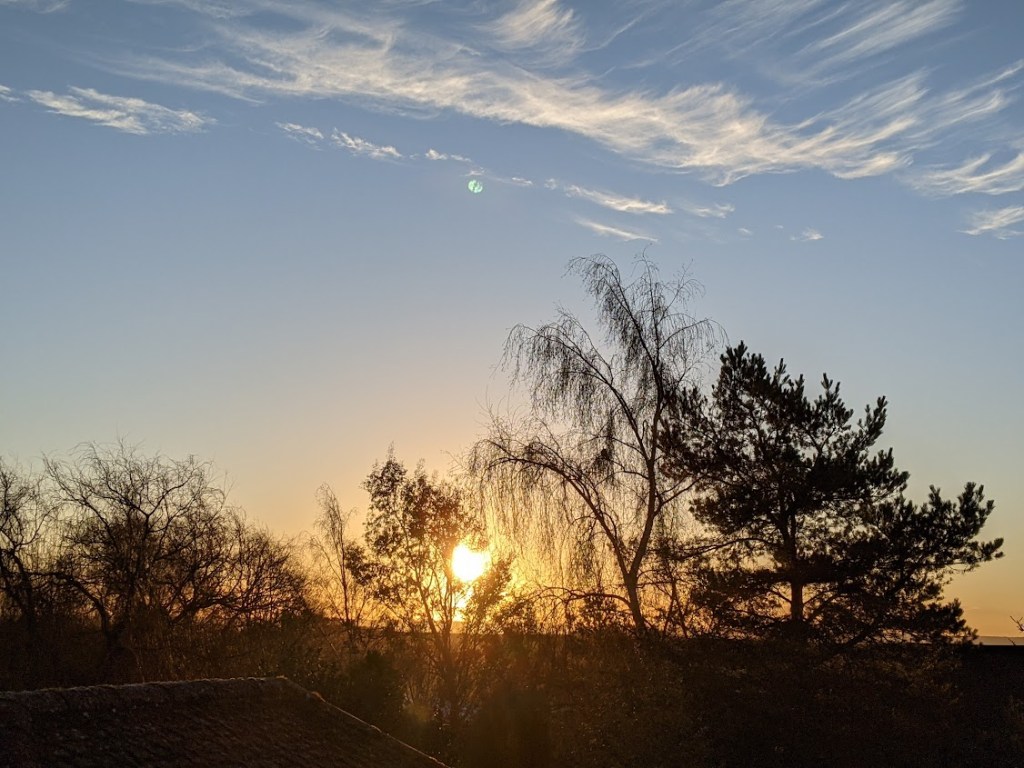
Water as early as possible in the morning, before the temperature rises. Plants use water during the day for photosynthesis, so even though it is also cool in the evening, morning watering is more efficient. It also won’t encourage as many slugs and snails as late night watering. Most importantly, avoid watering in the middle of the day.
3. Take your time
Water slowly as this allows time for the water to soak into the soil rather than flooding the surface. Walking around the garden at dawn, watering can in hand, can be a peaceful and meditative experience. It provides an opportunity to check for pests and diseases and inspect the health of your plants. Yellow leaves can be a sign of over-watering, whereas plants with wilted leaves are likely to need a drink.
4. Soak don’t sprinkle
It can be very tempting to rush around the garden and give everything a quick splash. It is actually better to soak the soil around each plant thoroughly and water less often. The water will then get down to the roots and not just evaporate from the surface. If you have a large garden, this might mean watering half of it one day and the other half the next. Regular light watering will encourage the plants to grow surface roots and then you will need to keep watering frequently as they won’t be able to access deeper water.
5. Water the soil not the plant
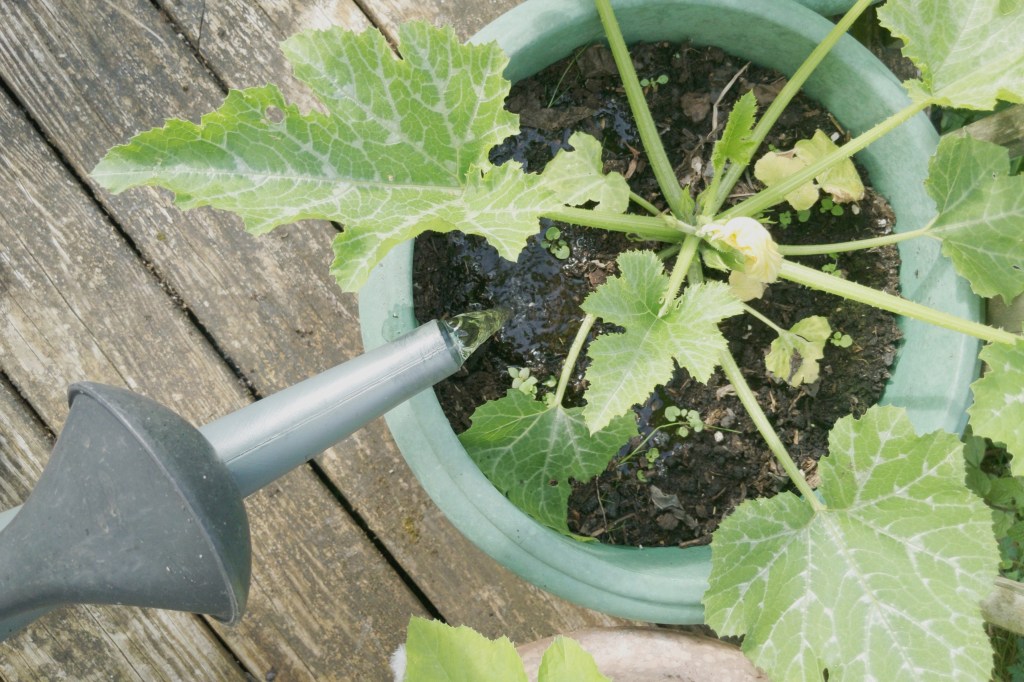
The goal is for as much water as possible to reach the roots of the plant. If you water the leaves, the water will evaporate more quickly. Leaves can also be scorched by the sun if water sits on them during the day. If you are using a watering can or a hose pipe, take off the rose attachment so that you can target the water at the soil.
6. Reach the roots
Bury pieces of pipe in the ground close to your plants roots. It is best to do this at the time of planting, but you can carefully add them later. Sturdy plastic bottles with the top and bottom cut off also work – pop a plastic pot over the top to avoid finding any drowned beasties. By watering into the pipe, the water gets deeper into the soil and won’t evaporate as fast.
7. Make use of mulch
Once you have watered your plants, add a thick layer of mulch on top of the soil. The mulch can be compost, woodchip, gravel or stones – basically any material that will stop water evaporating. Compost and woodchip have the added benefit of improving your soil by incorporating organic material which will retain more water.
8. Not all plants are equal
Prioritise watering plants that you have recently planted or moved, as their roots won’t be established yet. Young plants will also be more susceptible to drought, so don’t let them dry out. Focus on more expensive plants; trees, shrubs and perennials, rather than on annuals, which will die after flowering anyway.
Some plants are more drought tolerant than others. Those with fleshy leaves (e.g., succulents), narrow leaves (e.g., lavendar) and silvery leaves (e.g., Russian sage) generally need less water.
9. Portable pots
Pots will dry out faster than flower beds, but the benefit of them is you can move them around. Relocate them to the shade and group them close together – this will help increase the humidity around them and reduce evaporation. You can also put them on saucers or trays of water. This is especially handy if you are going away for a few days as you can soak the pots and add water to the trays to avoid them drying out.

10. Make use of ‘grey’ water
Get a second use from your household water by collecting the water from washing veggies or even your dishes – just make sure your soap is eco-friendly and use on non-edible plants. You could also pop a bucket in the shower with you and use that in the garden.
For more tips on avoiding food waste or growing your own food follow us on social media or sign up to our newsletter
 Replenish