Is your compost heap slow and stagnant? Does it take what feels like forever to produce any compost? The most common issues with compost heaps are a lack of oxygen in the middle of the pile or it becoming too wet or too dry. We helped Amanda Groom from Bicester Harvest at Home revitalise the compost system at Garth Garden and share some tips so that you can do the same.
One problem at Garth Garden was that both sides of the pallet bay compost system were being added to at the same time. The benefit of a two-sided system is that you can get the next batch started whilst the first batch composts and matures.
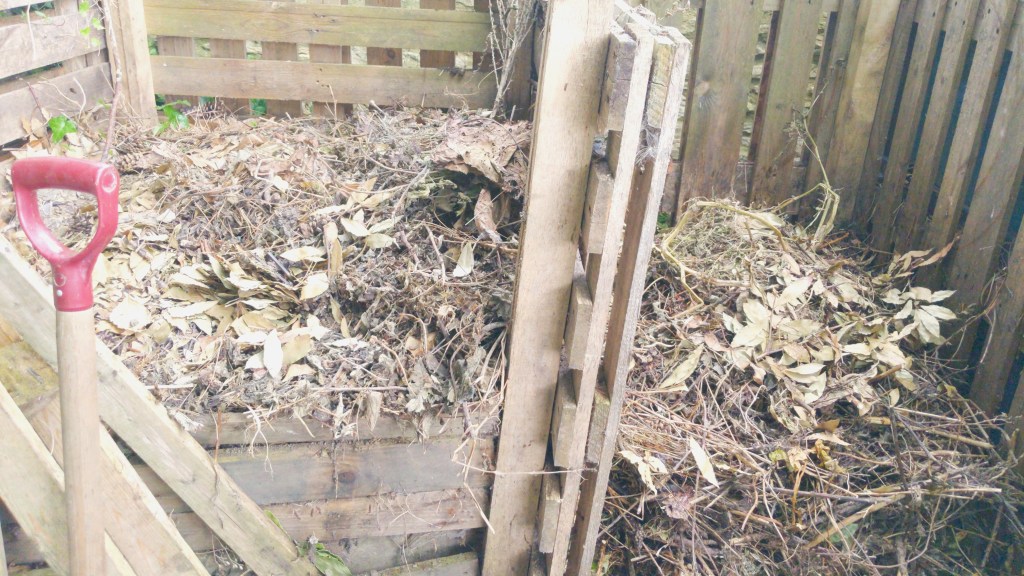
Compost will reduce in volume by at least fifty percent as the material decomposes, so it can be tempting to start adding more material. Hold off and let the process complete and empty the finished product before refilling.
1. Chop it up
We started by removing all of the woody dry material and long stems from the top of both piles. Then our wonderful volunteers got chopping enthusiastically under the watchful eye of Amanda’s dog Winston.

Chopping the organic matter breaks through the tough outer layers like bark, peel and skin. The smaller pieces have a greater surface area, which allows microorganisms like bacteria and fungi to access more of the material and break it down faster. This also helps the larger creatures in your compost ecosystem, like worms, snails and milipedes, to digest the material.
If you don’t have a shredder, you can chop autumn leaves by running the lawn mower over them. You could even use a food processor to chop up your veg scraps before adding them to the compost. It all helps speed up the process and will give you a finer compost texture as a result. Personally I’m not that dedicated and just throw woody material back in the current heap to let nature do the work.
2. Get the balance right
To make good compost you need a mix of high nitrogen organic materials or ‘greens’ and high carbon matter or ‘browns’, as well as air and water. ‘Greens’ provide nutrients and moisture, whilst ‘browns’ provide energy, absorb water and add structure, allowing air flow. Ideally you want to add ‘browns’ and ‘greens’ in alternate layers in roughly equal volumes – if in doubt add more ‘browns’.
If you have a large amount of woody ‘brown’ material and space in your garden, it’s best to make a wood pile in a corner and leave it to decay. It can take years, but is perfect for a nature friendly garden, providing food and shelter for wildlife.
At Garth Garden, the piles were lacking in ‘green’ waste like grass clippings and kitchen scraps. We chatted about volunteers bringing along their veg scraps to add or getting some of the grass clippings from the park next door.
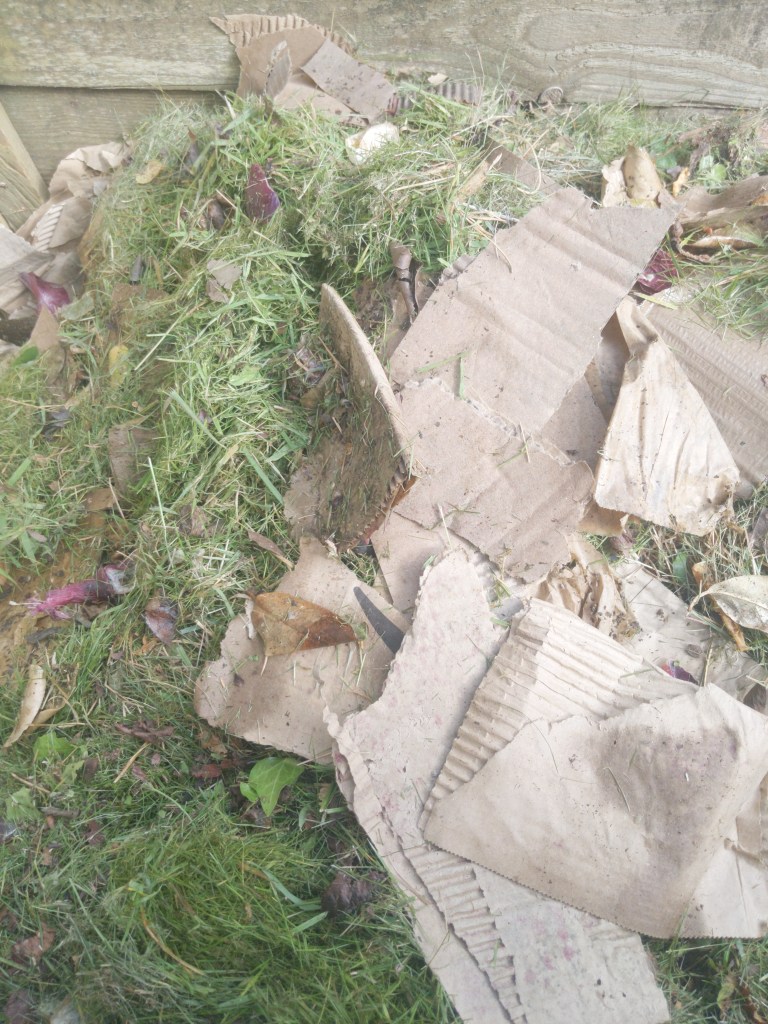
Usually home compost heaps have too much ‘green’ material and can become too wet. This compacts the pile, reducing the amount of oxygen and causing it to smell bad. To fix this problem add more ‘browns’, like torn up cardboard, woodchip or scrunched up newspaper. Ask your neighbours if you can have their cardboard on recycling day. Turning or poking holes in the the pile will also add oxygen.
The organisation ShareWaste freely connects people who want to recycle their kitchen or garden waste with others who are already composting. It would be great to get more people using this in Oxfordshire!
3. Keep it alive
Whenever you empty a compost heap or dalek bin, add a shovel full of the finished compost to the new pile. This will contain microorganisms and potentially larger beasties to get the composting process started.
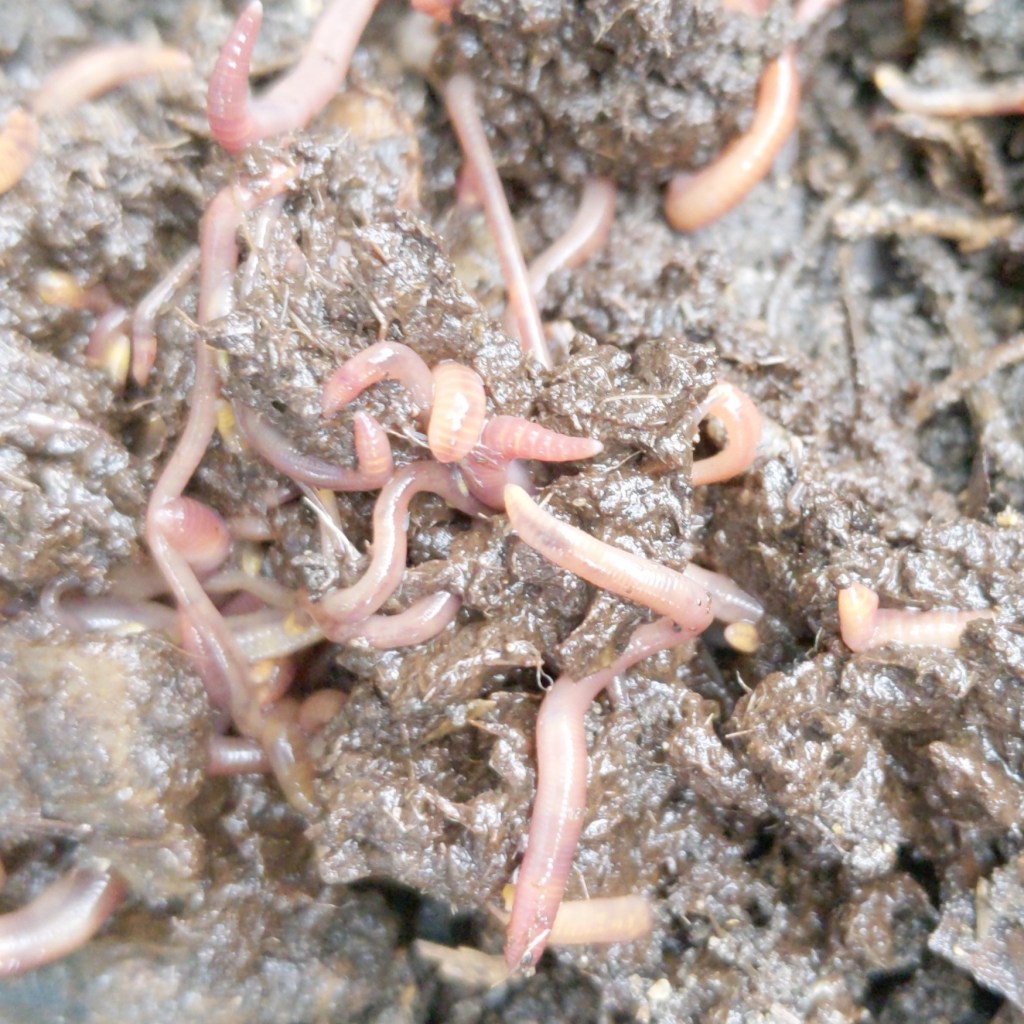
We also added a pot of ‘red wriggler’ worms from my worm bin to munch on the freshly chopped organic matter. Having an open base to you compost system lets worms and other detritivores find their own way in, but it doesn’t hurt to give them a helping hand.
4. Add an activator
Compost activators or accelerators speed up the composting process by increasing the activity of microorganisms in the heap. You may have come across commercial products, but there are plenty of natural options, most of which are free!
Lawn clippings make an excellent accelerator, as they are particularly high in nitrogen. However, they can clump together, reducing oxygen in the pile and causing it to slow down and become smelly. Don’t add too many at once and either mix them in or add more ‘brown’ material at the same time.
If, like Garth Garden, you don’t have a lawn then young nettle leaves or comfrey leaves (pictured) are a good alternative. Amanda has been adding more comfrey leaves since my visit. Used coffee grounds can also be mixed in to give your compost a boost. Garth Garden plan to ask the cafe in the park if they can collect some of theirs – the perfect way to recycle them locally.

Other accelerators are poultry or animal manure, as well as urine – something we all have a ready supply of! Whilst this might not be your first choice in a community garden, it should definitely be an ingredient in your home compost pile.
Urine is an excellent source of nitrogen, phosphorus and potassium; three key nutrients for plant growth. Perhaps collect it in the privacy of your bathroom and add to the compost heap each time you add other material, especially if you are low on ‘greens’. It will also save you water – each flush of a standard loo uses 4-9 litres of water. It was good enough for the National Trust, who encouraged male workers to pee on straw bales that later got added to the compost heap.
5. To cover or not?
Covering a compost heap with a waterproof material can help by keeping the heat in and the rain out. Generally in the UK, a pallet bay compost system won’t get hot enough to be considered ‘hot composting’ unless you are adding a large amount of green and brown material in one go.
The Garth Garden piles had been covered with plastic sheeting, but more material had mistakenly been added on top of the covers. We left the covers off as the compost system is underneath dense trees and was far too dry. We even added rain water to the chopped material as we added it back to the empty bay.
If your heap is on bare earth then rain water can drain into the surrounding soil. It’s a good idea to site it near a veg patch or flower bed, so that the nutritious leachate helps to feed your plants. During winter, or when heavy rain is forecast replace the cover to prevent the compost getting too wet. Compost should feel like a damp sponge – moist, but not soaking wet.
The end product
Even though the compost heaps at Garth garden had been somewhat neglected, it didn’t take long for us to find life – woodlice, milipedes and the odd worm soon made an appearance. We were even able to shovel out many buckets of dark, crumbly compost from the bottom of the piles. This will make a fantastic mulch for the flower and veg beds over autumn and winter.
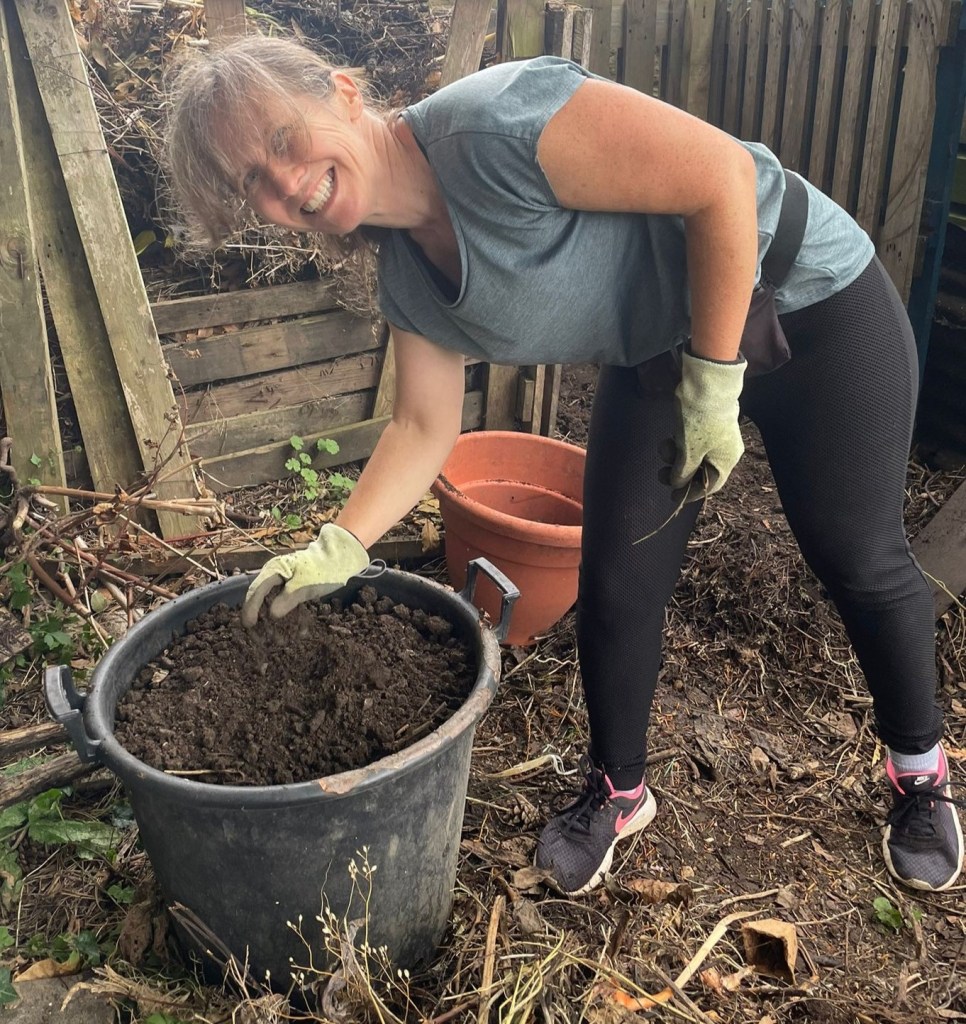
This goes to show you can’t go too far wrong with composting. After all it’s a natural process that will happen with no intervention from us – it just might take a bit longer. Think of a woodland floor – it would be piled high with organic material if composting wasn’t happening all of the time.
Follow these tips and with a little trial and error you can refine and speed up the process. Just like cooking, there is no perfect recipe as the ingredients will be different every time. With a bit of practice and patience, you’ll have plenty of ‘black gold’ to feed your plants in no time. Or try a different method to find out exactly what compost system is right for you.
Want more tips? Check out our home composting guide
or sign up to our newsletter
 Replenish