The WRAP survey from 2012 revealed that bread, fresh potatoes and milk were the top three types of food wasted by weight. I was curious whether the top three has changed in recent years.
I was expecting milk to have dropped down the list as more people have switched to plant-based milk alternatives, which I find last longer. Additionally, many supermarkets have switched from ‘Use By’ to ‘Best Before’ dates on milk in an effort to encourage customers to apply the ‘sniff test’ to check if milk has gone off.
So ten years on when WRAP repeated the survey, did milk still feature in the top three?
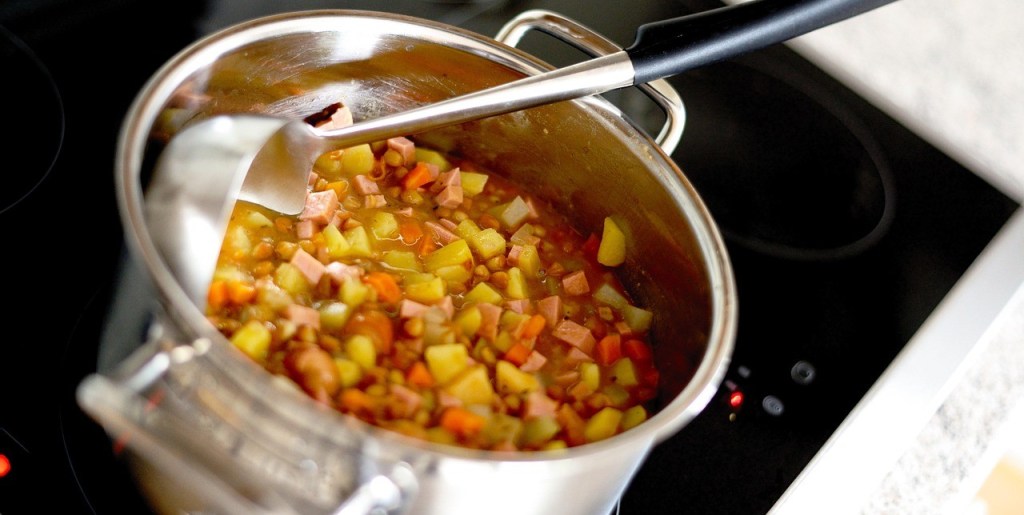
No, it dropped to fourth place. Fresh potatoes took the top spot, with bread falling to third place and composite meals (e.g., soups and stews) moving up from fourth place in 2012 to second in 2022.
Why do we continue to waste food?
The WRAP 2022 survey asked participants to record why food was wasted in diaries. The main reasons were too much food was cooked or served (25%), food smelled or looked off (22%), personal preference or perception that food was inedible (22%) or food was past the date on the label (17%).
More recent data from 2024 showed that the younger age group of 18-34 continued to report higher levels of food waste. Households with children also tended to waste more food.
Unfortunately, although 86% of respondents agreed that food waste is an important issue nationally, 27% were either comfortable with or ambivalent about their personal level of food waste.
Perfect your planning
Judging and buying the right amount of fresh food proved difficult for many, particularly with respect to potatoes. Sound familiar? Use the ‘Love Food Hate Waste’ portion calculator to check the amount you need.

Almost everyone surveyed had experienced being tempted by special offers like ‘buy one get one free’. Reduce the temptation by meal planning, making a list and sticking to it, or even shopping online – just don’t click on the ‘offer’s button. Also don’t visit the supermarket when you are hungry and if possible leave the kids at home, so you don’t succumb to pester power.
Eat what you buy
If you do find you end up over buying or cooking too much food, follow our strategies to make sure you eat what you buy. Rotate the food in your fridge and cupboards, using fresh or short-dated foods at the start of week. Invest in clear containers or use old jam jars, so that you can easily see what you have, especially when storing leftovers. An ‘eat me first’ shelf helps; stick a label on it so that all members of the household are in the know.
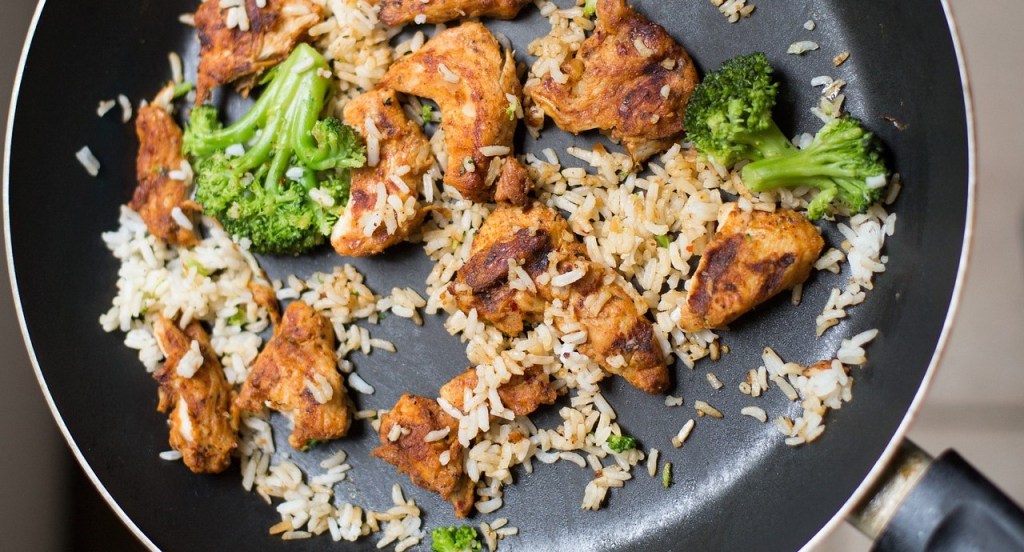
Always start cooking or meal planning by asking ‘what do we have that needs eating?’ and not ‘what do I (or my family) feel like eating? Use a recipe finder like this one from Tesco to search for recipes based on the ingredients you need to use up. I popped in ham, potatoes and onion – the top result was campfire loaded potatoes. Include one or two leftover meals on your weekly plan, or a ‘bottom of the fridge’ / ‘everything but the kitchen sink’ night – there’s lots of great ideas here.
Are all ‘expiry’ dates equal?
17% of 2024 survey participants threw away food that had exceeded the date on the label. Chances are many of these dates were ‘Best Before’ dates not ‘Use By’ dates. Foods are perfectly safe to eat beyond their ‘Best Before’ date, the quality just might be reduced. A ‘Use By’ date indicates when a food is no longer safe to eat. Foods can be safely frozen right up until their Use By date – freezing essentially pauses the decomposition process and is a great option if you find your self with an excess of fresh food.
Find food rescue recipes for bread, milk and veggies including potatoes on our website.
For more tips and recipes to reduce your food waste,
sign up to our monthly newsletter.
 Replenish