We heard so many food waste myths that we decided to write part two!
1. Dairy products can’t be frozen
This is incorrect; milk, cheese, yogurt, cream and butter can all be frozen¹. When freezing milk in plastic cartons, remember to use a little first as the milk will expand when frozen. Defrost milk overnight in the fridge and give it a shake before use as it will likely have separated.
Other dairy products with a high water content, like yogurt, single cream or soft cheese, will change texture or separate in the freezer. They are best used in cooking or baking, but these effects won’t make them unsafe to eat. Try freezing in ice-cube trays or silicon muffin trays for individual portions.
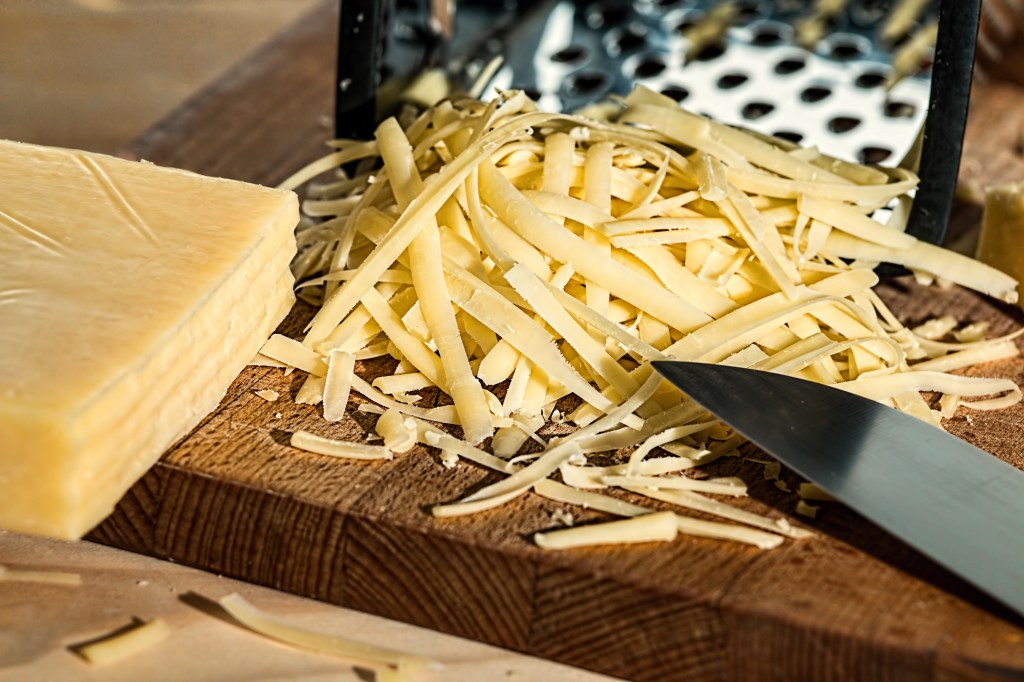
Hard cheeses freeze very well; grate them first and bag up in the amount you need to top your lasagne or favourite recipe. Butter can be grated straight from the freezer for cooking, or it will be perfect for any budding pastry chefs out there to try this recipe from Delia Smith.
Curious about what else you can freeze, read our blog: ‘ten unexpected items to fling in the freezer‘ or visit the website freezeit.co.uk.
2. You can’t eat broccoli or cauliflower stalks
Of course you can! Many of us are guilty of throwing away perfectly edible parts of plants – think root veg peels, broccoli stems, squash seeds, radish or beetroot leaves and citrus peel. At Replenish, we are fans of ‘root to fruit’ eating; check out these 10 root to stem recipes from Tesco and more of our favourites below:
University students taking part in the Oxford Brookes ‘Love Student Leftovers’ competition in 2024 came up with lots more ideas to ‘complete eat’, using the whole of the fruit or vegetable.
3. Misshapen vegetables are less nutritious
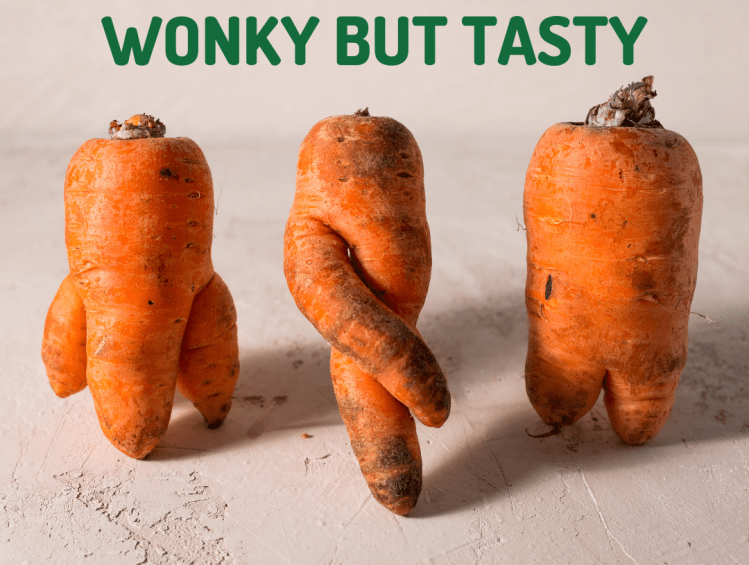
Have you ever noticed that supermarket fruit and veg are all the same shape and size? If you grow your own, you’ll know this doesn’t always happen in nature. But does this mean they are any less nutritious?
Not at all; in fact homegrown or locally grown vegetables are likely to contain more vitamins and minerals, as they are usually eaten more quickly after harvesting. Look out for wonky fruit or veg packs – they help to prevent food waste and are often cheaper too.
The same is true of frozen fruit and veg; because they are frozen at peak freshness, the nutrient content can be higher than for fresh foods that have been transported. You can easily use just what you need and keep the rest for another day – peas, sweetcorn, soya beans and spinach are my go-to frozen veg. Frozen fruits are also ideal for smoothies and can be added straight from the freezer.
4. Dented cans should be thrown away
If a can has a small or shallow dent, the food inside it should still be safe to eat. Cans with deeper dents or other damage that affects the rim or seal should be discarded. Remember to stock rotate your cans, putting the new ones at the back of the cupboard and moving the old ones forwards, so they are used first.
If you regularly use half a can of tomatoes or sweetcorn in a recipe, transfer the remainder to a glass or plastic food-grade container and store in the fridge. It is not recommended to store food in open cans; the metal can oxidise when exposed to the air, especially with acidic foods like tomatoes. This can give the food a metallic taste and the metal may leach into the food. Choose clear containers so that you don’t forget to use the leftovers and discover ‘science projects’ in the fridge a week later. Even better, label an ‘eat me first’ shelf and plan a ‘throw it all in’ mid-week meal. Omelettes, stir-fries and soups are great options.
5. Packaging helps foods keep for longer
Whilst sealed glass jars and cans will keep food preserved for months, if not years, this is not the case for plastic packaging used for fresh produce. Fruits and vegetables in plastic bags will ‘sweat’ and start to rot. Remove them from the packaging and store loose in the crisper drawer or in paper bags, or containers with an added paper towel to absorb moisture.
It is best not to wash fruits and vegetables until you are about to cook or eat them, as this can make them go off faster. You can revive wrinkly or wilted veg by soaking them in a container of water – this works very well with carrots. Another top tip is to cut the base off your celery (freeze it for soup or stock) and pop the sticks in a jar of water to keep them fresh for days in the fridge. Read ‘food storage hacks for less waste to find out more‘.
6. It is OK to put food waste in the general waste bin as it is biodegradable
Wrong. In Oxfordshire, the majority of our general waste is sent to an Energy Recovery Facility where it is burned to generate electricity. Food waste has a high water content and if you have ever tried to light a fire with wet wood, you’ll know it doesn’t work very well. This is why it is important to separate out your food waste and either compost it or recycle it via Oxfordshire’s separate kerbside collection scheme.
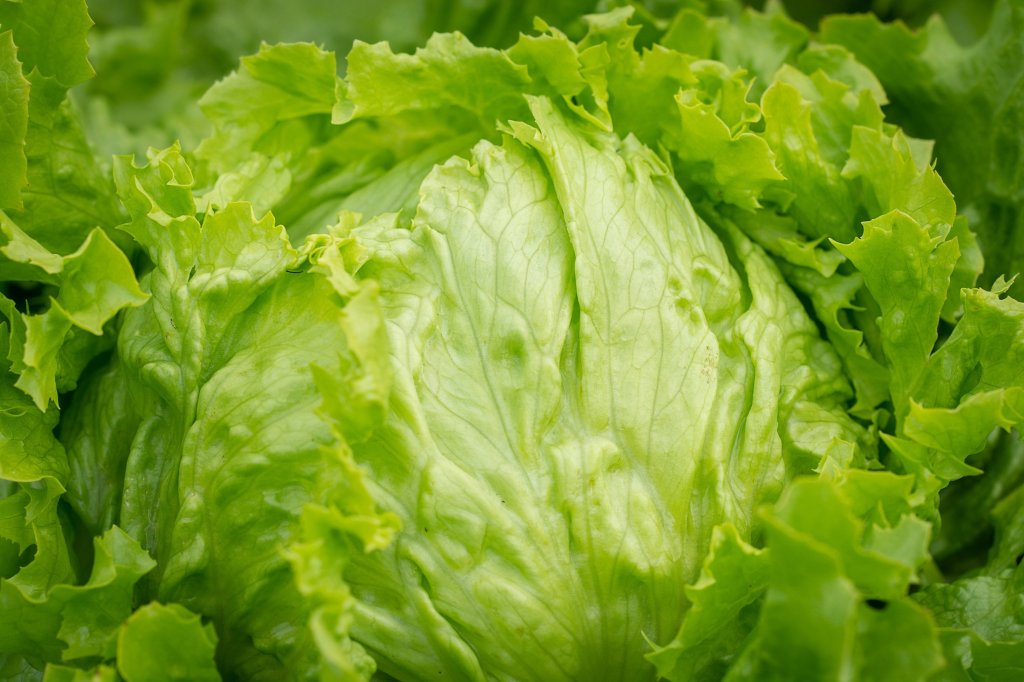
Even in areas where general waste is sent to landfill, it is still preferable to recycle food waste separately. Although the food waste will rot down, there is not enough oxygen present and so the decomposition process produces significant amounts of methane – a greenhouse gas far more potent than carbon dioxide. The process also takes a really long time – it is estimated that a lettuce takes 25 years to breakdown in landfill².
Even composting and recycling should be an absolute last resort for edible food – eating it is a far better solution! This makes sure that all the resources involved in the food journey – water, energy, land, labour and packaging – are not wasted along with the food. They are good solutions for inedible food like egg shells and teabags (check they are plastic free before composting) though. Old cooking oil can also be recycled – just leave it at your kerbside in a plastic bottle (max 1L) inside your caddy. Find out more about how your food waste is recycled, including how many banana peels it takes to charge a mobile phone here.
Sources
- Love Food Hate Waste: seven foods you never knew you could freeze
- Film: Wasted! The Story of Food Waste (2017)
For more tips on avoiding food waste or growing your own food follow us on social media or sign up to our newsletter
 Replenish